Superior Durability Engineering for Long-lasting Performance
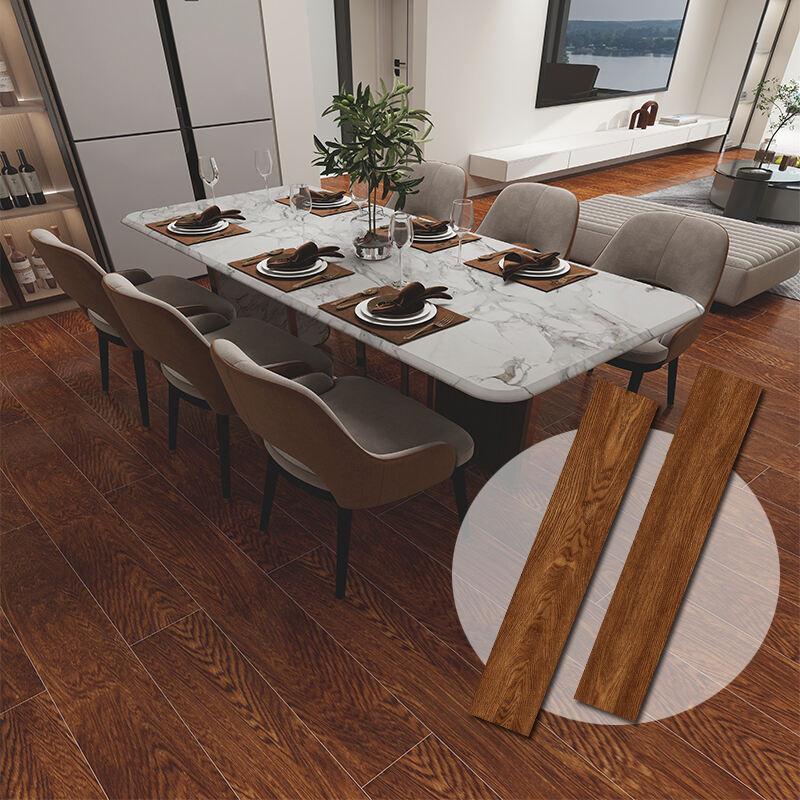
The durability engineering behind SPC stone flooring establishes new standards for long-lasting performance through innovative material science and manufacturing precision. The multi-layered construction begins with a wear layer that incorporates aluminum oxide particles, creating a surface that resists scratches, scuffs, and abrasion from heavy foot traffic, furniture movement, and daily use patterns. This protective barrier maintains its integrity under conditions that would quickly damage traditional materials, ensuring that the decorative layer beneath remains pristine for years of service. The rigid core construction provides dimensional stability that prevents the flexing and movement that causes premature failure in other flooring types, while the backing layer adds additional structural support and moisture protection. Manufacturing quality control processes ensure consistent thickness, density, and composition throughout each plank, eliminating weak points that could lead to premature failure or performance variations. The impact resistance properties protect against dropped objects, pet claws, and high heel damage that typically mars other surfaces, maintaining a flawless appearance in high-activity environments. Temperature cycling tests demonstrate the material's ability to withstand extreme conditions without cracking, splitting, or losing adhesion between layers, making it suitable for buildings with varying climate control or seasonal temperature fluctuations. The chemical resistance built into SPC stone flooring protects against household cleaners, automotive fluids, and industrial chemicals that might be encountered in different applications, preventing discoloration or surface degradation. UV stability ensures that colors remain vibrant and true even in areas with significant natural light exposure, eliminating the fading problems that affect many flooring materials over time. This comprehensive durability approach translates into exceptional return on investment, as the extended service life and minimal maintenance requirements provide superior value compared to materials that require frequent replacement or expensive restoration procedures.

 EN
EN