
 EN
EN
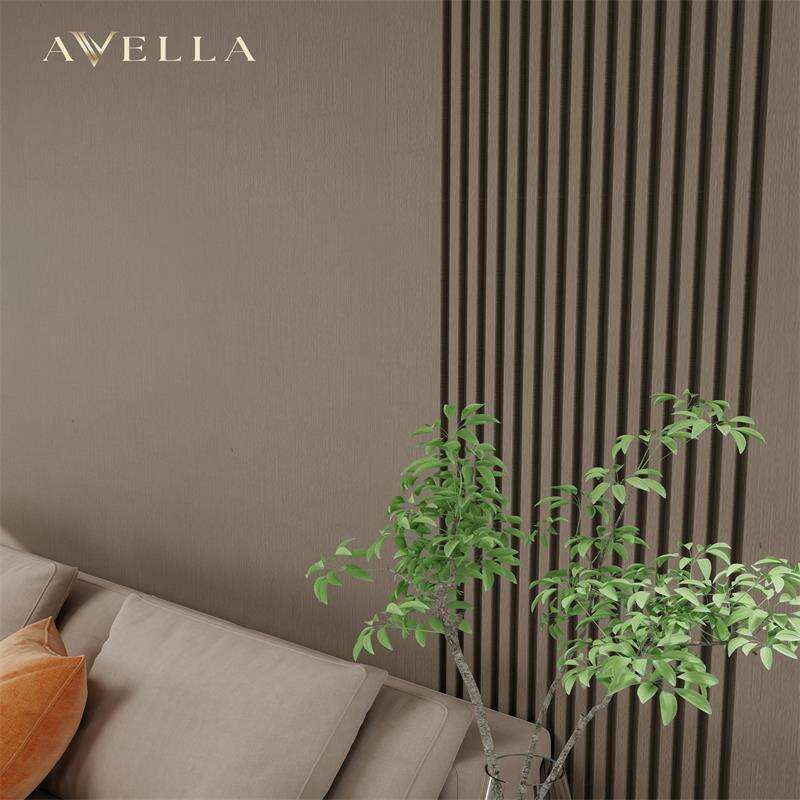
Modern interior design has embraced the versatility and aesthetic appeal of grille wall panels as a way to transform ordinary spaces into sophisticated environments. These architectural elements serve both functional and decorative purposes, offering homeowners an innovative solution for enhancing their living spaces while maintaining practical benefits. Contemporary grille wall panel designs have evolved significantly, incorporating advanced materials, sustainable manufacturing processes, and cutting-edge aesthetic concepts that complement various interior design styles.
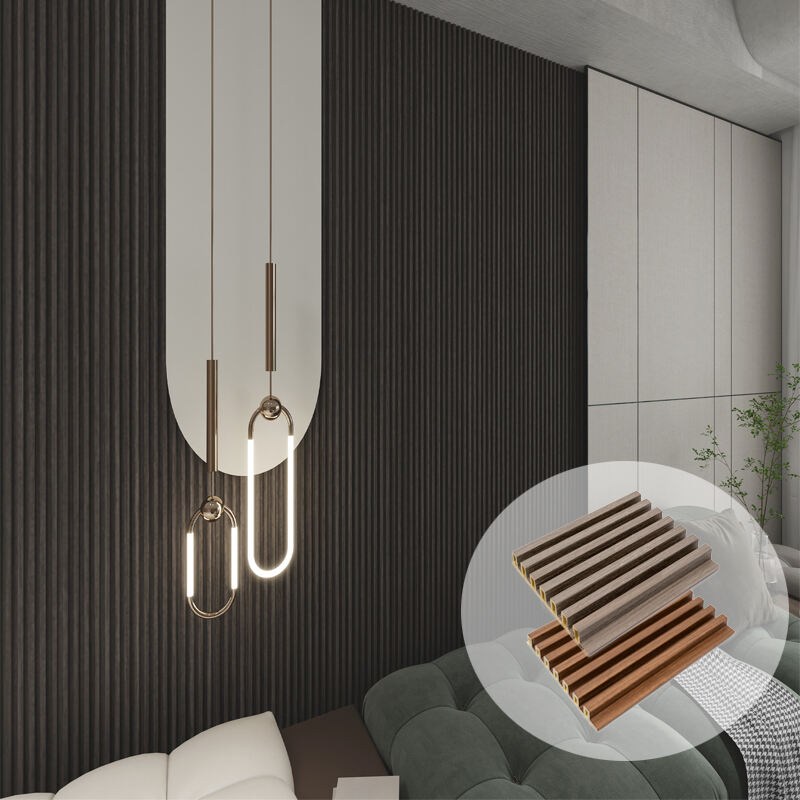
The integration of grille panels into residential architecture reflects a growing trend toward open-concept living while maintaining functional room division. These panels provide visual interest, improve acoustics, and offer creative lighting opportunities that enhance the overall ambiance of any space. Modern homeowners increasingly appreciate the balance between transparency and privacy that well-designed grille systems provide.
Contemporary Geometric Grille Patterns
Linear Vertical Installations
Vertical linear grille wall panel configurations create striking visual impacts while emphasizing ceiling height and architectural proportions. These designs typically feature evenly spaced vertical slats that draw the eye upward, making rooms appear larger and more spacious. The clean lines of vertical installations complement minimalist interior design philosophies and work exceptionally well in modern residential settings.
Material selection for vertical grille panels ranges from traditional wood species to engineered composites and metal alternatives. Each material choice influences the overall aesthetic outcome, with darker finishes creating dramatic contrast effects and lighter tones promoting airiness and brightness. Professional installation ensures proper alignment and consistent spacing between individual slat components.
Horizontal Accent Applications
Horizontal grille configurations offer a contrasting approach to vertical installations, creating visual width and emphasizing the horizontal planes of interior architecture. These designs work particularly well in spaces with generous ceiling heights where the goal is to create a sense of expansiveness rather than vertical emphasis. Horizontal patterns can effectively zone large open-plan areas without creating complete visual barriers.
The proportional relationship between slat width and spacing intervals significantly impacts the final visual effect of horizontal grille installations. Wider spacing creates more open, transparent appearances, while tighter configurations provide greater privacy and visual density. Contemporary designers often experiment with varying spacing patterns within single installations to create dynamic rhythm and visual interest.
Innovative Material Applications
Wood Composite Technologies
Advanced wood composite materials have revolutionized grille wall panel manufacturing, offering enhanced durability and design flexibility while maintaining natural wood aesthetics. These engineered materials resist warping, moisture damage, and dimensional instability that can affect traditional solid wood installations. Composite grille panels maintain consistent appearance over time while requiring minimal maintenance compared to natural wood alternatives.
Modern composite formulations incorporate recycled wood fibers and advanced polymer binders to create products that combine environmental responsibility with superior performance characteristics. These materials can be manufactured in various colors, textures, and finishes that replicate premium wood species while offering enhanced resistance to environmental factors and everyday wear.
Metal Integration Techniques
Metal grille wall panel systems provide industrial-inspired aesthetic options that complement contemporary architectural styles. Aluminum, steel, and specialized alloy materials offer exceptional durability and design flexibility, allowing for complex geometric patterns and integration with advanced lighting systems. Metal panels can be powder-coated in virtually any color specification to match specific design requirements.
The thermal properties of metal grille systems make them suitable for both interior and exterior applications, with proper finishing techniques ensuring long-term corrosion resistance and color stability. Advanced perforation patterns and laser-cutting technologies enable the creation of intricate designs that would be impossible to achieve with traditional wood materials.
Functional Design Integration
Acoustic Performance Enhancement
Strategic grille wall panel placement can significantly improve interior acoustic conditions by reducing sound reflection and controlling noise transmission between spaces. The spacing and arrangement of grille elements create opportunities for incorporating acoustic insulation materials behind panels, effectively combining aesthetic appeal with functional sound management.
Professional acoustic analysis helps determine optimal grille configurations for specific sound control objectives. Open grille designs allow sound to pass through while providing visual screening, whereas denser configurations offer greater acoustic isolation. The integration of specialized acoustic materials behind grille installations enhances overall performance without compromising visual aesthetics.
Lighting Integration Possibilities
Modern grille wall panel designs increasingly incorporate integrated lighting solutions that create dramatic ambient effects while maintaining functional illumination requirements. LED strip lighting, concealed spotlights, and backlighting techniques can transform grille installations into striking focal points that enhance overall interior atmosphere.
The spacing between grille elements provides natural pathways for concealed wiring and lighting fixtures, eliminating the need for visible electrical installations that could compromise clean design aesthetics. Programmable lighting systems allow for dynamic color changes and intensity adjustments that can adapt to different functional requirements and mood preferences.
Installation Considerations
Structural Mounting Requirements
Proper grille wall panel installation requires careful attention to structural support requirements and mounting techniques that ensure long-term stability and safety. Wall conditions must be evaluated to determine appropriate fastening methods and whether additional structural reinforcement is necessary to support panel loads and potential dynamic forces.
Professional installation teams assess existing wall construction, identify optimal mounting locations, and implement appropriate fastening systems that distribute loads evenly across supporting structures. Proper planning ensures that grille installations remain secure and aligned over time, preventing sagging or shifting that could compromise both appearance and safety.
Maintenance and Longevity Factors
Long-term maintenance requirements vary significantly depending on material selection and environmental conditions where grille wall panels are installed. Regular cleaning protocols help maintain appearance and prevent the accumulation of dust and debris that can affect both aesthetics and acoustic performance over time.
Quality grille wall panel systems are designed for minimal maintenance requirements while providing decades of reliable performance. Protective finishes and appropriate material selection ensure that installations maintain their original appearance with only basic cleaning and occasional inspection to verify mounting security and alignment.
FAQ
What are the primary benefits of installing grille wall panels in residential spaces
Grille wall panels offer multiple advantages including enhanced visual appeal, improved acoustic control, flexible space division, and opportunities for integrated lighting solutions. They provide privacy while maintaining visual connection between spaces and can effectively hide structural elements or mechanical systems. Modern grille panels also contribute to improved indoor air circulation and can incorporate sustainable materials that support environmental responsibility goals.
How do I choose the right material for my grille wall panel installation
Material selection depends on several factors including intended location, aesthetic preferences, maintenance requirements, and budget considerations. Wood composite materials offer natural appearance with enhanced durability, while metal options provide industrial aesthetics with superior longevity. Consider environmental conditions, expected lifespan, and compatibility with existing interior design elements when making material decisions.
Can grille wall panels be installed as DIY projects or do they require professional installation
While basic grille panel installations may be suitable for experienced DIY enthusiasts, professional installation is recommended for complex configurations, structural modifications, or systems incorporating electrical components. Professional installers ensure proper structural support, precise alignment, and code compliance while providing warranties that protect your investment. Complex designs involving lighting integration or acoustic considerations typically require specialized expertise.
What maintenance is required to keep grille wall panels looking their best
Maintenance requirements vary by material but generally involve regular dusting or light cleaning to prevent debris accumulation between panel elements. Wood-based panels may require periodic inspection for moisture damage or finish deterioration, while metal systems typically need only occasional cleaning with appropriate products. Integrated lighting components should be inspected periodically to ensure proper function and replace any failed LED elements as needed.
Table of Contents
- Contemporary Geometric Grille Patterns
- Innovative Material Applications
- Functional Design Integration
- Installation Considerations
-
FAQ
- What are the primary benefits of installing grille wall panels in residential spaces
- How do I choose the right material for my grille wall panel installation
- Can grille wall panels be installed as DIY projects or do they require professional installation
- What maintenance is required to keep grille wall panels looking their best