
 EN
EN
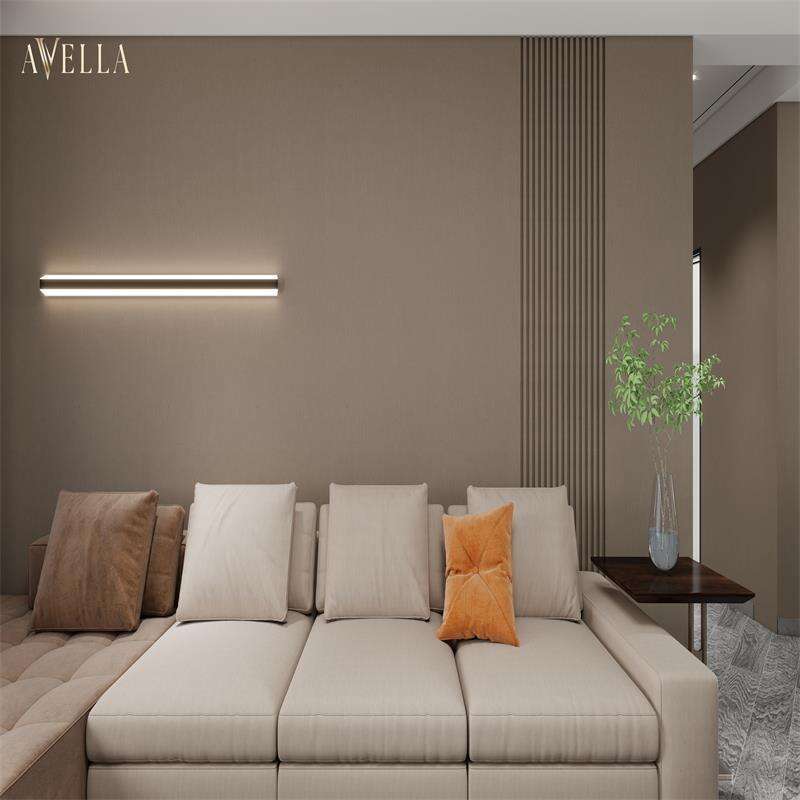
Modern homeowners and commercial designers increasingly turn to innovative wall solutions that combine durability, aesthetics, and functionality. SPC wall panels have emerged as the premier choice for bathroom and kitchen applications, revolutionizing how we approach interior wall design. These engineered panels offer unprecedented performance characteristics that traditional materials simply cannot match, making them the go-to solution for spaces that demand both beauty and resilience.
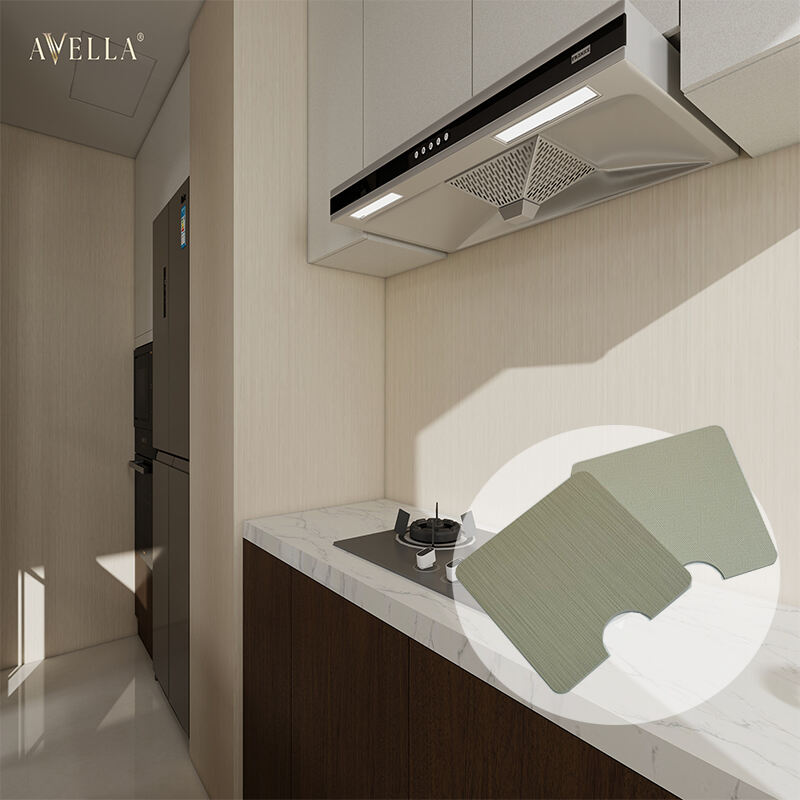
The construction industry has witnessed a significant shift toward composite materials that deliver superior performance metrics. SPC wall panels represent the culmination of advanced manufacturing techniques and material science innovations. These panels incorporate stone plastic composite technology that creates a virtually indestructible surface capable of withstanding the harshest environmental conditions while maintaining aesthetic appeal for decades.
Professional contractors and interior designers consistently recommend SPC wall panels for high-moisture environments due to their exceptional resistance properties. The unique composition eliminates common issues associated with traditional wall materials, including water damage, mold growth, and structural deterioration. This reliability factor has positioned SPC wall panels as the industry standard for premium installations in residential and commercial settings.
Superior Moisture Resistance Properties
Waterproof Core Technology
The fundamental advantage of SPC wall panels lies in their completely waterproof core construction. Unlike traditional materials that absorb moisture and deteriorate over time, these panels feature a stone plastic composite core that repels water entirely. This waterproof characteristic ensures that SPC wall panels maintain structural integrity even when subjected to direct water contact for extended periods.
Manufacturing processes incorporate high-density materials that create a non-porous surface structure. The absence of organic materials in the core composition prevents bacterial growth and eliminates the risk of rot or decay. This makes SPC wall panels particularly valuable in shower enclosures, behind kitchen sinks, and other areas where water exposure is constant.
Installation professionals appreciate how SPC wall panels eliminate callbacks related to moisture damage. The panels maintain dimensional stability regardless of humidity fluctuations, ensuring that joints remain tight and surfaces stay flat. This reliability translates into long-term cost savings for property owners and reduced maintenance requirements throughout the product lifecycle.
Mold and Mildew Prevention
Traditional wall materials often create environments conducive to mold and mildew growth, especially in high-humidity spaces. SPC wall panels address this concern through their non-organic composition that provides no food source for microbial growth. The smooth, non-porous surface prevents spores from establishing colonies, maintaining healthier indoor air quality.
The seamless installation capability of SPC wall panels further reduces potential problem areas. Fewer joints and crevices mean fewer opportunities for moisture accumulation and subsequent biological growth. This characteristic makes SPC wall panels an excellent choice for individuals with respiratory sensitivities or allergies.
Maintenance requirements decrease significantly when using SPC wall panels in moisture-prone areas. Standard cleaning procedures effectively remove surface contaminants without the need for harsh chemicals or specialized treatments. This ease of maintenance contributes to the long-term health benefits associated with SPC wall panel installations.
Exceptional Durability and Longevity
Impact Resistance Characteristics
SPC wall panels demonstrate remarkable resistance to physical damage that commonly affects traditional wall surfaces. The engineered composition creates a surface that withstands impacts from household accidents, door collisions, and everyday wear patterns. This durability makes SPC wall panels ideal for high-traffic areas where surface protection is paramount.
Commercial applications particularly benefit from the robust construction of SPC wall panels. Restaurant kitchens, healthcare facilities, and educational institutions require wall surfaces that maintain appearance despite heavy use. The impact resistance properties ensure that SPC wall panels continue looking new years after installation, even in demanding environments.
Testing protocols demonstrate that SPC wall panels exceed industry standards for impact resistance across various temperature ranges. This performance consistency ensures reliable protection regardless of seasonal variations or indoor climate conditions. Property managers appreciate this predictable performance when specifying materials for large-scale installations.
Thermal Stability Performance
Temperature fluctuations present significant challenges for many wall materials, causing expansion, contraction, and eventual failure. SPC wall panels exhibit exceptional thermal stability that maintains dimensional accuracy across wide temperature ranges. This characteristic prevents common issues like buckling, warping, or joint separation that plague alternative materials.
Kitchen environments subject wall surfaces to extreme temperature variations from cooking appliances and steam generation. SPC wall panels handle these conditions without compromising structural integrity or surface appearance. The stable performance eliminates concerns about heat damage behind stoves or near other high-temperature sources.
Installation flexibility increases due to the thermal stability of SPC wall panels. Contractors can install these panels in temperature-controlled environments knowing that seasonal changes will not affect the final appearance or performance. This reliability streamlines project scheduling and reduces potential warranty issues.
Design Versatility and Aesthetic Appeal
Surface Texture Options
Contemporary SPC wall panels offer extensive design possibilities that accommodate diverse aesthetic preferences and architectural styles. Advanced printing technologies create realistic wood grains, stone textures, and fabric patterns that rival natural materials in visual appeal. This versatility allows SPC wall panels to complement any interior design scheme while providing superior performance characteristics.
Digital printing processes achieve unprecedented detail resolution that captures subtle variations found in premium natural materials. The result is SPC wall panels that deliver luxury aesthetics at accessible price points. Designers can specify authentic-looking materials without compromising on durability or maintenance requirements.
Color consistency remains stable throughout the product lifecycle, ensuring that SPC wall panels maintain their intended appearance for decades. UV-resistant formulations prevent fading even in areas with significant natural light exposure. This color stability eliminates the need for periodic refinishing that other materials require.
Installation Flexibility
The engineered construction of SPC wall panels facilitates rapid installation using standard tools and techniques. Tongue-and-groove systems create secure connections without requiring adhesives or mechanical fasteners in many applications. This installation method reduces labor costs and project timelines while ensuring professional results.
Retrofit applications particularly benefit from the installation characteristics of SPC wall panels. These panels can be applied over existing wall surfaces in many situations, eliminating costly demolition and disposal expenses. The ability to update spaces quickly makes SPC wall panels attractive for renovation projects with tight schedules.
Dimensional accuracy ensures that SPC wall panels fit precisely during installation, reducing waste and cutting requirements. Standardized dimensions streamline ordering and inventory management for contractors and distributors. This consistency contributes to overall project efficiency and cost control.
Cost-Effectiveness and Value Proposition
Initial Investment Considerations
While SPC wall panels may require higher initial investment compared to basic materials, the total cost of ownership typically favors these advanced panels significantly. The combination of reduced installation time, eliminated maintenance requirements, and extended service life creates compelling economic benefits for property owners and developers.
Labor efficiency improvements offset material cost differences in most applications. Professional installers complete SPC wall panel projects faster than traditional alternatives, reducing overall project costs. The predictable installation process also minimizes the risk of costly delays or rework that can impact project budgets.
Insurance and liability benefits may apply when specifying SPC wall panels for commercial applications. The fire-resistant properties and moisture resistance characteristics can contribute to reduced premiums in some cases. Property managers should consult with insurance providers to understand potential savings opportunities.
Long-Term Value Analysis
The exceptional durability of SPC wall panels translates into decades of maintenance-free service in typical applications. Property owners avoid ongoing costs associated with painting, refinishing, repair, or replacement that other materials require. This maintenance elimination creates substantial savings over the building lifecycle.
Energy efficiency benefits may result from the insulating properties of some SPC wall panel systems. Improved thermal performance can reduce heating and cooling costs while enhancing occupant comfort. These operational savings contribute to the overall value proposition of SPC wall panel installations.
Resale value improvements often result from SPC wall panel installations in residential applications. Modern buyers appreciate low-maintenance materials and contemporary aesthetics that these panels provide. The investment in quality materials typically yields positive returns when properties are sold or refinanced.
Environmental Impact and Sustainability
Recycled Content Integration
Modern manufacturing processes incorporate significant amounts of recycled materials into SPC wall panels without compromising performance characteristics. This recycled content reduces environmental impact while maintaining the durability and aesthetic properties that make these panels attractive to specifiers and end users.
Post-consumer waste streams provide raw materials for SPC wall panel production, creating a circular economy model that benefits both manufacturers and environmental stewardship goals. The ability to transform waste materials into high-performance building products demonstrates the sustainability potential of advanced manufacturing technologies.
Certification programs recognize the environmental benefits of SPC wall panels through various green building standards. These certifications can contribute to LEED points and other sustainability metrics that matter to environmentally conscious builders and property owners.
End-of-Life Recyclability
The composition of SPC wall panels enables recycling at the end of their service life, preventing waste generation and supporting circular economy principles. Specialized recycling facilities can process these materials into new products, extending the useful life of the component materials indefinitely.
Demolition and renovation projects generate significant waste streams that burden landfill capacity. SPC wall panels offer an alternative that diverts materials from disposal while creating valuable feedstock for manufacturing processes. This recyclability addresses growing concerns about construction waste management.
Transportation efficiency improves due to the lightweight characteristics of SPC wall panels compared to traditional alternatives. Reduced shipping weights lower fuel consumption and associated emissions throughout the distribution chain. These efficiency improvements contribute to overall environmental performance metrics.
FAQ
How long do SPC wall panels typically last in bathroom and kitchen applications
SPC wall panels are engineered to provide 25-50 years of service life in high-moisture environments like bathrooms and kitchens. The waterproof core construction and impact-resistant surface maintain appearance and functionality throughout this extended period without requiring refinishing or major maintenance. Proper installation following manufacturer guidelines ensures optimal longevity and performance.
Can SPC wall panels be installed over existing tile or other wall surfaces
Yes, SPC wall panels can often be installed directly over existing wall surfaces including tile, drywall, and other smooth substrates. The installation method depends on the specific product system and existing surface conditions. Professional assessment ensures proper preparation and installation techniques that maintain warranty coverage and optimal performance characteristics.
What maintenance is required to keep SPC wall panels looking new
SPC wall panels require minimal maintenance beyond regular cleaning with standard household cleaners. The non-porous surface resists staining and bacterial growth, eliminating the need for specialized treatments or periodic refinishing. Simple soap and water cleaning maintains appearance, while the durable surface resists scratches and impacts that damage traditional materials.
Are SPC wall panels suitable for commercial kitchen and restaurant applications
SPC wall panels excel in commercial food service environments due to their waterproof construction, easy cleaning properties, and resistance to grease and food-related stains. Many products meet health department requirements for commercial kitchens while providing superior durability compared to traditional alternatives. The impact resistance also handles the demanding conditions typical in busy restaurant operations.