Premium Composite Wall Cladding Solutions - Durable, Energy-Efficient Exterior Building Materials

All Categories

composite wall cladding

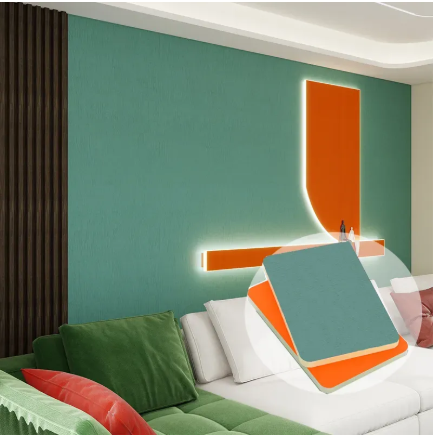
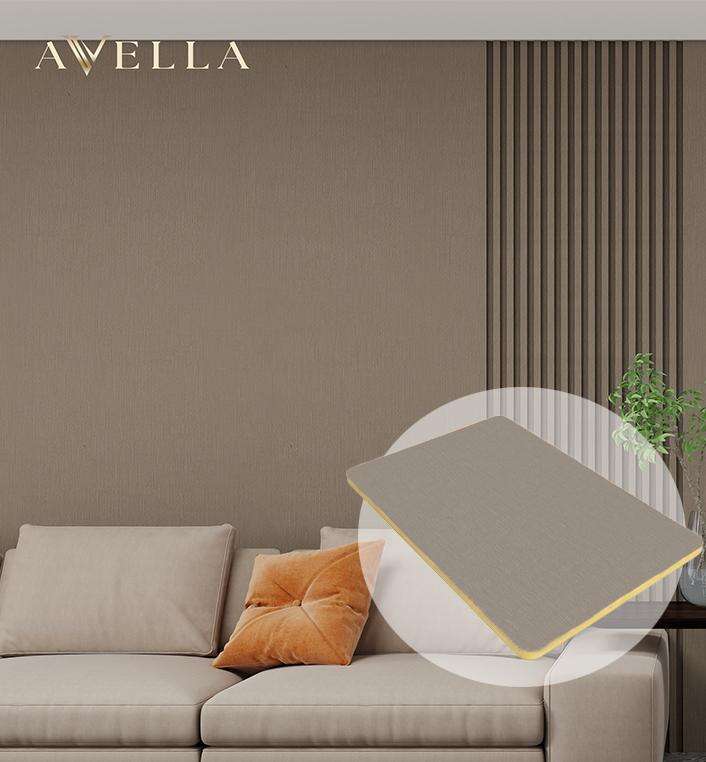
Composite wall cladding represents a revolutionary building material that combines multiple elements to create superior exterior surfaces for residential and commercial structures. This innovative system merges natural fibers with synthetic polymers, resulting in panels that deliver exceptional durability while maintaining aesthetic appeal. The primary function of composite wall cladding involves protecting buildings from environmental elements including moisture, wind, temperature fluctuations, and ultraviolet radiation. Beyond protection, composite wall cladding serves as an architectural enhancement that transforms ordinary structures into visually striking properties. The technological features of composite wall cladding include advanced moisture resistance achieved through proprietary polymer coatings that create impermeable barriers against water infiltration. These panels incorporate fiber reinforcement technology that provides structural integrity without adding excessive weight to building frameworks. Manufacturing processes utilize precision molding techniques that ensure consistent dimensions and surface textures across all panels. Color stability technology prevents fading and maintains vibrant appearances for extended periods. Thermal expansion properties are carefully controlled to minimize panel movement during temperature changes. The installation system features interlocking mechanisms that create seamless connections between panels while allowing for proper ventilation behind the cladding surface. Applications for composite wall cladding span diverse construction sectors including residential homes, commercial buildings, educational facilities, healthcare institutions, and industrial complexes. Retrofit projects benefit significantly from composite wall cladding installation as existing structures gain improved insulation and updated appearances without extensive structural modifications. New construction projects incorporate composite wall cladding during initial building phases to achieve specific performance standards and design objectives. Coastal properties utilize composite wall cladding for enhanced salt water resistance, while urban developments leverage its fire-resistant properties for safety compliance. Agricultural buildings benefit from the chemical resistance offered by composite wall cladding materials.

New Product Recommendations

Composite wall cladding delivers remarkable cost-effectiveness through reduced maintenance requirements that save property owners substantial amounts over time. Traditional materials demand regular painting, sealing, and repairs, while composite wall cladding maintains its appearance and functionality with minimal intervention. This translates to lower long-term ownership costs and reduced disruption to building occupants. Installation advantages include faster project completion times since composite wall cladding systems feature standardized components that skilled contractors can install efficiently. The lightweight nature of composite wall cladding reduces structural load requirements, potentially eliminating the need for additional foundation reinforcement in many applications. Weather resistance stands as a primary advantage of composite wall cladding, as these materials withstand extreme temperature variations without cracking, warping, or deteriorating. Rain, snow, and humidity have minimal impact on composite wall cladding performance, ensuring consistent protection regardless of climate conditions. UV resistance prevents color degradation and material breakdown that commonly affects traditional cladding options. Energy efficiency benefits emerge from the insulating properties inherent in composite wall cladding systems. These materials create thermal barriers that reduce heat transfer, leading to lower heating and cooling costs throughout the year. Building owners experience improved indoor comfort levels as composite wall cladding minimizes drafts and temperature fluctuations. Environmental advantages include the incorporation of recycled materials in many composite wall cladding products, reducing waste in landfills while creating valuable building components. Manufacturing processes often utilize sustainable practices that minimize environmental impact. At the end of their service life, composite wall cladding panels can be recycled into new products rather than contributing to waste streams. Design flexibility represents another significant advantage as composite wall cladding comes in numerous colors, textures, and patterns that accommodate diverse architectural styles. Property owners can achieve custom appearances without the limitations imposed by traditional materials. Fire resistance properties provide safety advantages that protect buildings and occupants from fire-related hazards. Composite wall cladding materials typically meet or exceed building code requirements for fire safety while maintaining structural integrity during emergency situations.

Tips And Tricks

Can Decorative Wall Boards Replace Paint and Wallpaper?

26

Aug

Can Decorative Wall Boards Replace Paint and Wallpaper?

Transform Your Interior Design with Modern Wall Solutions The world of interior design is experiencing a revolutionary shift as decorative wall boards emerge as a sophisticated alternative to traditional wall finishes. These versatile panels are rede...
View More
SPC Wall Panel vs Traditional Wall Covering: Cost Comparison

27

Nov

SPC Wall Panel vs Traditional Wall Covering: Cost Comparison

The debate between modern spc wall panel solutions and traditional wall coverings has intensified as homeowners and commercial property developers seek cost-effective, durable alternatives for interior design projects. Understanding the financial imp...
View More
Top 10 SPC Flooring Brands Compared: Expert Review

27

Nov

Top 10 SPC Flooring Brands Compared: Expert Review

Stone Plastic Composite flooring has revolutionized the commercial and residential flooring industry with its exceptional durability, waterproof properties, and realistic aesthetic appeal. As building professionals and homeowners increasingly seek co...
View More
2025 Guide: SPC Wall Panel Benefits and Installation Tips

27

Nov

2025 Guide: SPC Wall Panel Benefits and Installation Tips

Stone Plastic Composite technology has revolutionized interior design and construction, offering unprecedented durability and aesthetic appeal for modern spaces. The spc wall panel represents a significant advancement in wall covering solutions, comb...
View More

Get a Free Quote

Our representative will contact you soon.
Email
Name
Mobile
Company Name
Message
0/1000

composite wall cladding

Superior Weather Protection Technology

Superior Weather Protection Technology

Composite wall cladding incorporates advanced weather protection technology that sets it apart from conventional building materials through sophisticated engineering and material science innovations. The multi-layer construction methodology creates an impenetrable barrier against moisture infiltration while allowing proper vapor transmission to prevent trapped humidity within wall systems. This balanced approach prevents common issues such as mold growth, structural damage from water exposure, and interior air quality problems that plague buildings with inadequate weather protection. The outer surface of composite wall cladding features specialized polymer coatings that repel water while resisting impact damage from hail, debris, and environmental contaminants. These coatings undergo rigorous testing to ensure performance under extreme weather conditions including hurricane-force winds, heavy rainfall, and freeze-thaw cycles that typically cause significant damage to traditional cladding materials. UV stabilizers embedded within the material matrix prevent degradation from constant sun exposure, maintaining both structural integrity and color consistency for decades. Temperature resistance capabilities allow composite wall cladding to perform reliably in climates ranging from arctic conditions to desert environments without compromising protective functions. Thermal expansion joints and flexible mounting systems accommodate natural material movement while maintaining weathertight seals. Wind resistance testing demonstrates that composite wall cladding systems can withstand uplift forces and lateral pressures that would damage or destroy other cladding types. The installation methodology includes sealed joints and overlapping panel designs that eliminate potential water entry points. Quality control measures during manufacturing ensure consistent wall thickness and density that contribute to reliable weather protection. Field testing in various geographic locations confirms long-term performance under real-world conditions, providing confidence in the material's ability to protect valuable building investments.
Exceptional Durability and Longevity Performance

Exceptional Durability and Longevity Performance

Composite wall cladding demonstrates exceptional durability through advanced material engineering that creates products capable of withstanding decades of environmental exposure while maintaining structural and aesthetic integrity. The composite matrix combines natural fibers with high-performance polymers to achieve strength characteristics that surpass traditional wood, vinyl, or metal cladding options. This material composition resists common degradation factors including insect damage, rot, corrosion, and chemical exposure that typically compromise other cladding materials over time. Laboratory testing simulates accelerated aging conditions equivalent to decades of real-world exposure, consistently showing minimal degradation in composite wall cladding samples. Impact resistance testing demonstrates the ability to withstand projectiles and physical abuse without cracking, denting, or breaking. This resilience proves particularly valuable in areas prone to severe weather events or high-traffic environments where accidental impacts occur frequently. The molecular structure of composite wall cladding prevents water absorption that causes swelling, shrinking, and eventual failure in traditional materials. Dimensional stability ensures that panels maintain proper fit and appearance throughout their service life without gaps, warping, or buckling that compromise building envelope integrity. Color retention technology preserves original appearance for extended periods, eliminating the need for regular refinishing that adds maintenance costs and disruption. Fastener compatibility ensures secure attachment systems that maintain holding power over time without loosening or corroding. The material's resistance to biological growth prevents algae, moss, and mildew formation that commonly affects other cladding types in humid environments. Thermal cycling tests confirm that composite wall cladding maintains performance characteristics through repeated expansion and contraction cycles. Manufacturing quality standards include rigorous inspection processes that identify and eliminate potential defects before products reach construction sites. Field performance data from buildings installed decades ago validates the long-term durability claims and provides confidence in future performance expectations.
Enhanced Energy Efficiency and Thermal Performance

Enhanced Energy Efficiency and Thermal Performance

Composite wall cladding delivers superior energy efficiency through innovative thermal management properties that significantly reduce building heating and cooling costs while improving occupant comfort levels. The material's cellular structure creates natural insulation barriers that minimize heat transfer through exterior walls, effectively reducing the thermal bridging that occurs with traditional cladding systems attached directly to structural framing. This thermal break capability prevents energy loss during both heating and cooling seasons, resulting in measurable reductions in utility bills for building owners. Advanced manufacturing techniques create consistent material density that eliminates thermal weak points common in other insulation systems. The composite wall cladding system works synergistically with building insulation to create comprehensive thermal envelopes that exceed energy code requirements. Air sealing properties inherent in properly installed composite wall cladding systems eliminate drafts and unwanted air infiltration that compromise energy efficiency in buildings with traditional cladding materials. Thermal mass characteristics help stabilize interior temperatures by absorbing and releasing heat energy gradually, reducing temperature swings that force HVAC systems to work harder. Reflective surface options redirect solar heat away from building exteriors, particularly beneficial in cooling-dominated climates where air conditioning represents the largest energy expense. Winter performance includes retention of interior heat while preventing cold air infiltration that creates uncomfortable conditions near exterior walls. The installation methodology creates continuous thermal barriers without gaps or interruptions that commonly occur with piece-meal insulation approaches. Energy modeling studies demonstrate quantifiable savings potential that often justifies the initial investment in composite wall cladding through reduced operating costs. Green building certification programs recognize the energy efficiency benefits of composite wall cladding systems, contributing to LEED points and other sustainability ratings. Long-term performance monitoring shows that thermal properties remain consistent throughout the material's service life without degradation that affects other insulation types. Professional energy audits consistently identify composite wall cladding installations as contributing factors in buildings that exceed energy efficiency targets and maintain comfortable interior environments year-round.

Get a Free Quote

Our representative will contact you soon.
Email
Name
Mobile
Company Name
Message
0/1000