Premium Panel Wall Wood Solutions: Advanced Engineered Wood Panels for Superior Construction Performance

All Categories

panel wall wood

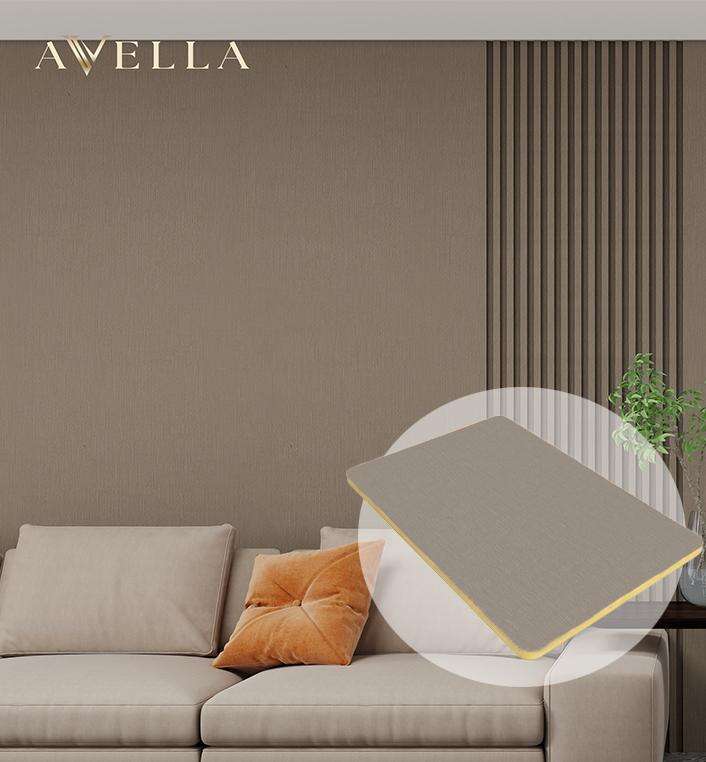
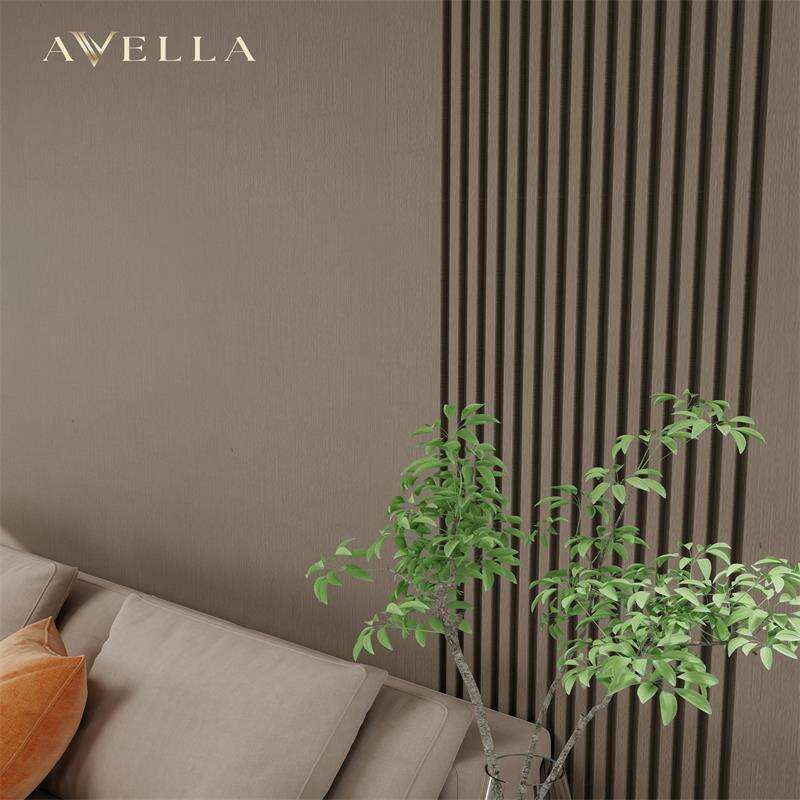
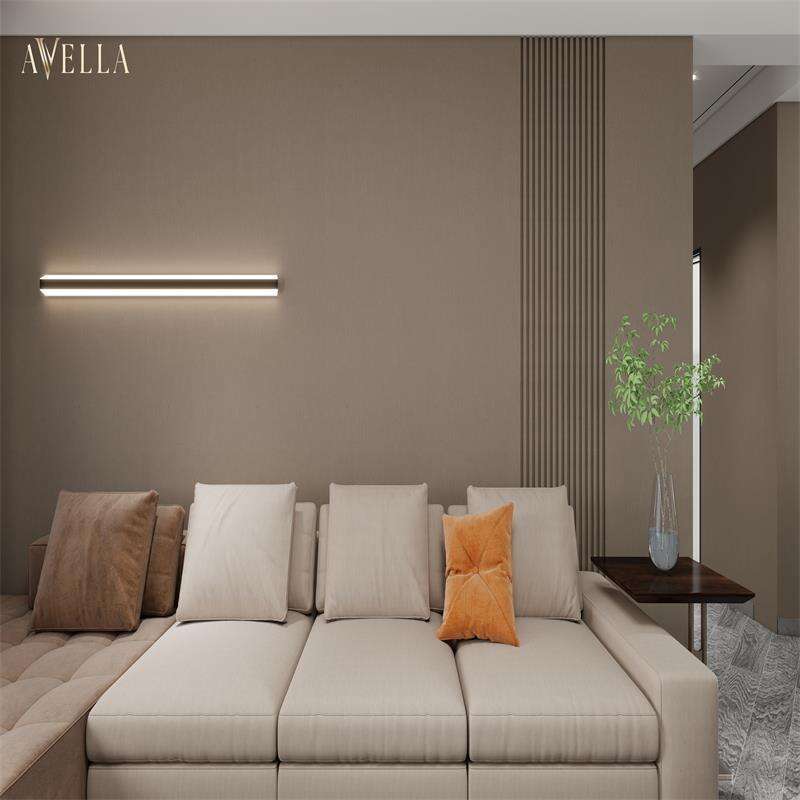
Panel wall wood represents a revolutionary approach to interior and exterior wall construction, combining traditional wood aesthetics with modern engineering techniques. This innovative building material consists of engineered wood panels specifically designed for wall applications, offering superior structural integrity and visual appeal. Panel wall wood systems integrate multiple layers of processed wood materials, creating a composite structure that delivers enhanced performance compared to conventional lumber construction. The manufacturing process involves precision cutting, laminating, and finishing techniques that result in dimensionally stable panels ready for installation. These panels feature tongue-and-groove connections or interlocking systems that ensure seamless assembly and long-term durability. Panel wall wood serves multiple functions including structural support, insulation enhancement, moisture management, and aesthetic finishing in a single integrated system. The technological features of panel wall wood include advanced moisture resistance treatments, thermal performance optimization, and fire-retardant coatings when required. Modern panel wall wood incorporates sustainable forestry practices and eco-friendly adhesives, making it an environmentally conscious choice for construction projects. The standardized dimensions and pre-fabricated nature of panel wall wood significantly reduce installation time and labor costs compared to traditional stick-frame construction methods. Quality control measures during manufacturing ensure consistent performance characteristics across all panels, eliminating the variability often associated with natural lumber products. Panel wall wood applications span residential construction, commercial buildings, institutional facilities, and specialized structures requiring both functionality and aesthetic appeal. The versatility of panel wall wood allows for customization in terms of surface textures, wood species selection, and finishing options to match specific architectural requirements and design preferences.

New Product Releases

Panel wall wood offers exceptional dimensional stability that eliminates the warping, shrinking, and expanding problems commonly associated with traditional solid wood construction. This stability ensures that walls remain straight and true over time, preventing gaps, cracks, and structural issues that can compromise building integrity and energy efficiency. The engineered nature of panel wall wood provides consistent quality and performance characteristics that builders and architects can rely upon for predictable results in every project. Installation speed represents another significant advantage, as panel wall wood systems install up to three times faster than conventional framing methods, reducing labor costs and project timelines substantially. The pre-fabricated panels arrive ready for installation with precise dimensions and integrated connection systems that simplify the construction process and minimize on-site cutting and waste. Panel wall wood delivers superior insulation properties through its layered construction and thermal bridging reduction, resulting in improved energy efficiency and lower heating and cooling costs for building occupants. The enhanced insulation performance translates directly into reduced utility bills and improved comfort levels throughout all seasons. Moisture management capabilities of panel wall wood surpass traditional construction methods through integrated vapor barriers and treated surfaces that resist water penetration while allowing proper moisture transfer to prevent condensation problems. This moisture control helps maintain indoor air quality and prevents mold, mildew, and rot issues that can compromise both structural integrity and occupant health. The aesthetic versatility of panel wall wood allows designers to achieve desired visual effects without sacrificing performance, offering numerous wood species, grain patterns, and finish options to complement any architectural style. Fire resistance properties can be enhanced through specialized treatments, making panel wall wood suitable for applications requiring specific fire safety ratings. Environmental benefits include reduced waste generation during manufacturing and installation, utilization of sustainable wood sources, and improved energy efficiency that reduces the building's carbon footprint over its operational lifetime. Cost effectiveness emerges through reduced installation time, lower labor requirements, decreased material waste, and long-term energy savings that provide excellent return on investment for property owners.

Latest News

Installation Tips for WPC Outdoor Wall Panels and Composite Decking

23

Jul

Installation Tips for WPC Outdoor Wall Panels and Composite Decking

Practical Guide to Installing WPC Wall Panels and Composite Decking With more people looking for green building options these days, WPC outdoor wall panels and composite decking have really taken off in popularity across homes and businesses alike....
View More
Is Fire-Resistant Wall Board Necessary for Every Building?

26

Aug

Is Fire-Resistant Wall Board Necessary for Every Building?

Understanding the Critical Role of Fire Protection in Modern Construction In today's construction landscape, safety measures have become increasingly sophisticated, with fire-resistant wall board emerging as a crucial component in building design and...
View More
What Are the Cost Considerations When Choosing Wall Boards?

26

Aug

What Are the Cost Considerations When Choosing Wall Boards?

Transform Your Interior Design with Modern Wall Solutions The world of interior design is experiencing a revolutionary shift as decorative wall boards emerge as a sophisticated alternative to traditional wall finishes. These versatile panels are rede...
View More
Can Grille Wall Panels Improve Ventilation and Acoustic Performance?

26

Sep

Can Grille Wall Panels Improve Ventilation and Acoustic Performance?

Understanding Modern Architectural Solutions for Enhanced Indoor Environments The integration of functional design elements in modern architecture has revolutionized how we approach indoor environmental quality. Among these innovations, grille wall p...
View More

Get a Free Quote

Our representative will contact you soon.
Email
Name
Mobile
Company Name
Message
0/1000

panel wall wood

Superior Structural Performance and Engineering Excellence

Superior Structural Performance and Engineering Excellence

Panel wall wood represents the pinnacle of modern wood engineering, delivering structural performance that far exceeds traditional solid lumber construction methods. The advanced manufacturing process creates panels with predictable load-bearing capabilities and enhanced resistance to environmental stresses that typically cause problems in conventional wood framing. Each panel wall wood component undergoes rigorous quality testing to ensure it meets or exceeds building code requirements for structural integrity, wind resistance, and seismic performance. The engineered design distributes loads more evenly across the wall system, reducing stress concentrations and potential failure points that can occur with traditional stick-frame construction. This superior load distribution capability makes panel wall wood ideal for applications requiring high structural performance, including multi-story buildings, areas with severe weather conditions, and structures subject to dynamic loading. The consistent moisture content and dimensional stability of panel wall wood prevent the seasonal movement that causes nail pops, drywall cracks, and door and window alignment problems common in traditional construction. Advanced adhesive systems used in panel wall wood manufacturing create bonds stronger than the wood itself, ensuring long-term structural integrity even under extreme conditions. The precision manufacturing process eliminates the natural defects found in solid lumber, such as knots, splits, and grain irregularities that can compromise structural performance. Panel wall wood systems incorporate engineered connection details that provide superior joint strength and weather resistance compared to conventional nailing and fastening methods. Quality assurance protocols during manufacturing include stress testing, moisture content verification, and dimensional accuracy inspections that guarantee consistent performance across all panels. This reliability allows architects and engineers to design with confidence, knowing that panel wall wood will perform as specified throughout the building's service life.
Enhanced Energy Efficiency and Thermal Performance

Enhanced Energy Efficiency and Thermal Performance

Panel wall wood systems deliver exceptional energy efficiency through advanced thermal performance characteristics that significantly reduce heating and cooling costs while improving occupant comfort. The layered construction of panel wall wood creates natural thermal barriers that minimize heat transfer through the wall assembly, achieving R-values substantially higher than conventional wood frame construction. This enhanced insulation performance results from the elimination of thermal bridging that occurs with traditional stud framing, where wood studs create continuous paths for heat transfer through the insulation layer. Panel wall wood systems incorporate continuous insulation layers that wrap around structural elements, creating an unbroken thermal envelope that dramatically improves overall building energy performance. The tight construction tolerances achievable with panel wall wood installation minimize air infiltration gaps that account for significant energy losses in conventionally built structures. Advanced sealing systems integrated into panel wall wood connections create continuous air barriers that prevent unwanted air exchange while maintaining proper ventilation control. The superior thermal mass properties of panel wall wood help moderate indoor temperature fluctuations, reducing the load on heating and cooling systems while maintaining consistent comfort levels throughout daily and seasonal temperature cycles. Energy modeling studies demonstrate that buildings constructed with panel wall wood systems typically achieve 15-30% better energy performance compared to conventional construction methods. This improved efficiency translates into substantial utility cost savings over the building's operational lifetime, often paying for any premium in initial construction costs within just a few years. The enhanced energy performance of panel wall wood contributes to green building certification programs such as LEED, ENERGY STAR, and passive house standards, potentially qualifying projects for tax incentives and utility rebates. Thermal imaging studies of completed panel wall wood installations show dramatically reduced heat loss patterns compared to traditional construction, confirming the real-world energy performance benefits. The consistent thermal performance characteristics of panel wall wood enable more accurate energy modeling during the design phase, allowing architects to optimize building orientation, window placement, and mechanical system sizing for maximum efficiency.
Sustainable Construction and Environmental Benefits

Sustainable Construction and Environmental Benefits

Panel wall wood exemplifies sustainable construction practices through responsible resource utilization, reduced environmental impact, and enhanced building performance that supports long-term environmental goals. The manufacturing process for panel wall wood maximizes the utilization of wood fiber resources by incorporating smaller wood pieces and fast-growing species that would otherwise be considered waste products in traditional lumber production. This efficient resource utilization reduces pressure on old-growth forests while supporting sustainable forestry management practices that maintain forest ecosystems for future generations. Panel wall wood production generates significantly less waste compared to conventional lumber processing, with manufacturing byproducts recycled into other wood products or used for renewable energy generation. The precision manufacturing process eliminates the substantial waste typically generated during on-site construction, as panels arrive pre-cut and ready for installation without requiring additional trimming or modification. Life cycle assessment studies demonstrate that panel wall wood systems have lower embodied energy compared to alternative building materials such as steel or concrete, while the renewable nature of wood provides ongoing carbon sequestration benefits throughout the building's service life. The improved energy efficiency achieved with panel wall wood construction reduces operational carbon emissions associated with heating and cooling, contributing to overall carbon footprint reduction over decades of building operation. Advanced adhesive systems used in panel wall wood manufacturing feature low or zero formaldehyde emissions, supporting healthy indoor air quality and occupant wellness. The dimensional stability and durability of panel wall wood extend building service life, reducing the frequency of renovations and material replacements that consume resources and generate construction waste. End-of-life considerations for panel wall wood include recyclability options and potential for reuse in other applications, supporting circular economy principles in the construction industry. Certification programs such as Forest Stewardship Council and Sustainable Forestry Initiative ensure that wood sources for panel wall wood production meet rigorous environmental and social responsibility standards. The local sourcing potential for panel wall wood materials reduces transportation-related emissions while supporting regional economic development and forest management initiatives.

Get a Free Quote

Our representative will contact you soon.
Email
Name
Mobile
Company Name
Message
0/1000