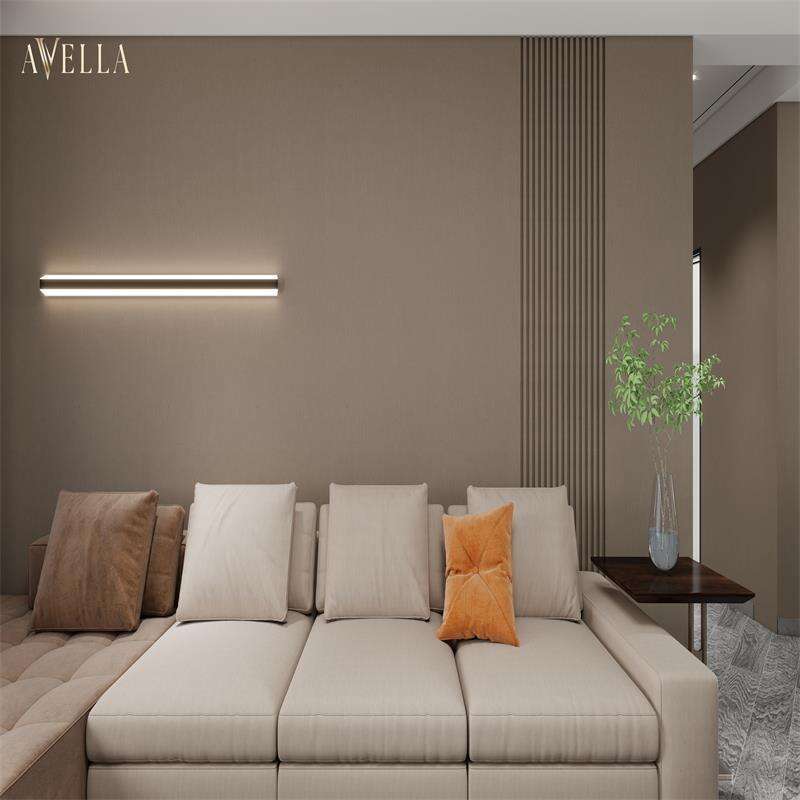
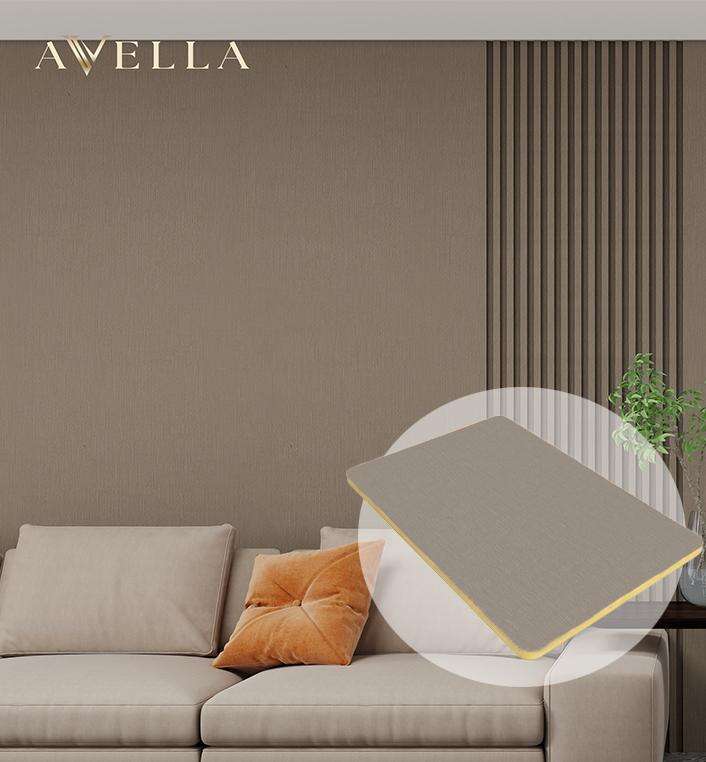
pinakabagong disenyo ng pagsasamahang pader
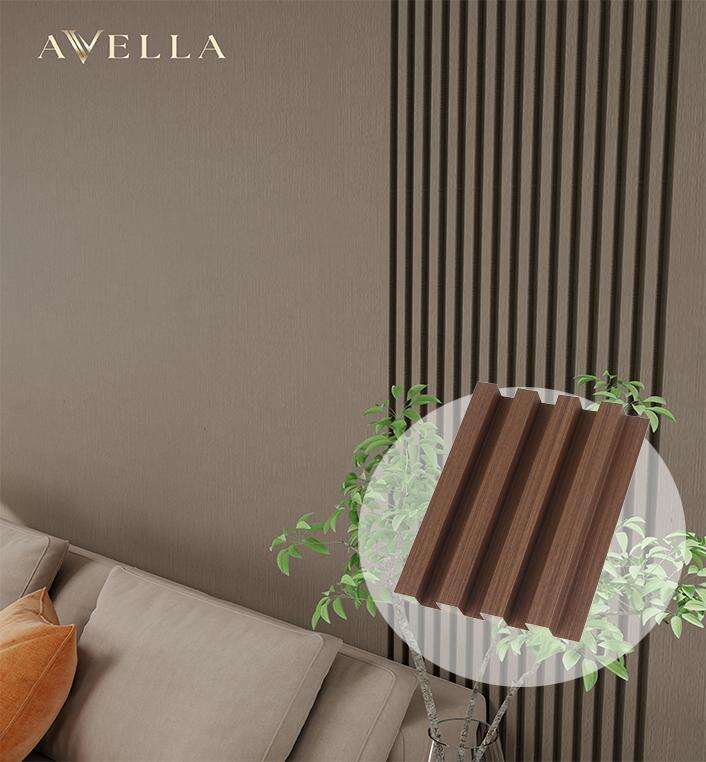
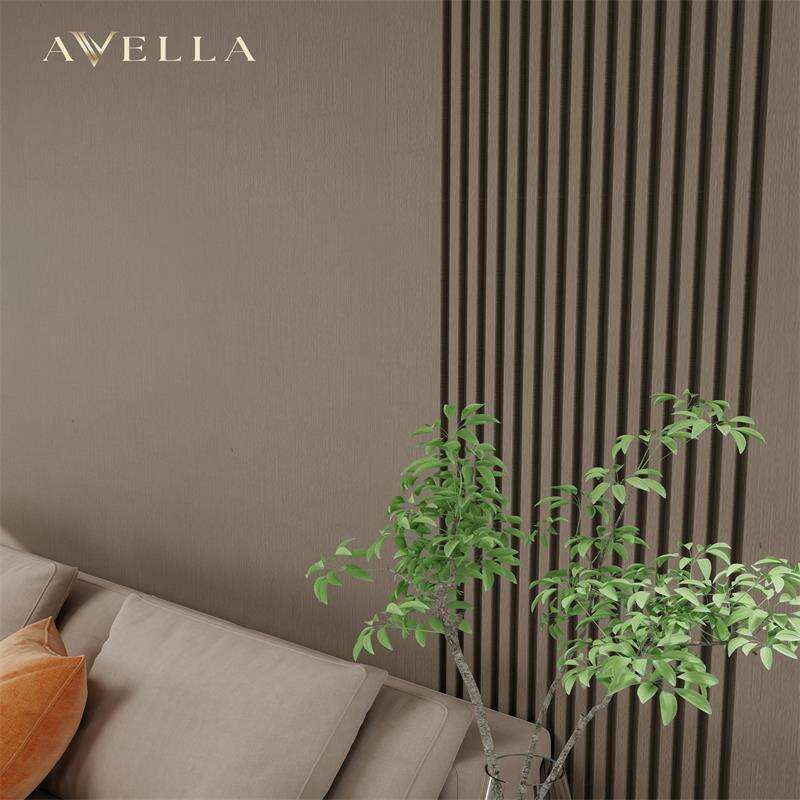
Kumakatawan ang pinakabagong disenyo ng panlabas na panakip sa pader sa isang rebolusyonaryong pag-unlad sa mga solusyon sa ibabaw ng arkitektura, na binabago kung paano tayo lumalapit sa mga panloob at panlabas na paggamot sa pader. Pinagsasama ng makabagong teknolohiyang ito ang estetikong ganda at higit na pagganap, na nag-aalok sa mga may-ari ng ari-arian ng inobatibong paraan upang mapahusay ang kanilang mga espasyo. Isinasama ng mga modernong sistema ng panakip sa pader ang advanced na inhinyeriya ng materyales, na may mga magaan na komposit na istraktura na nagbibigay ng hindi pangkaraniwang tibay habang pinapanatili ang visual na kahusayan. Ginagamit ng pinakabagong disenyo ng panakip sa pader ang mga teknolohiyang nano-coating na nagbibigay ng sariling paglilinis, na malaki ang pagbawas sa pangangailangan sa pagpapanatili. Ang mga sistemang ito ay may modular na paraan ng pag-install na nagpapasimple sa proseso ng paglalapat, na nagiging naa-access ito para sa parehong resedensyal at komersyal na proyekto. Kasama sa mga teknolohikal na katangian ang mga moisture-resistant na core, katangian ng thermal insulation, at fire-retardant na katangian na lumalampas sa tradisyonal na mga pamantayan sa gusali. Pinapayagan ng smart integration ang mga sistemang ito na isama ang mga ilaw, bahagi ng bentilasyon, at kahit mga digital na display. Ang mga aplikasyon ng pinakabagong disenyo ng panakip sa pader ay sumasakop sa mga pasilidad sa hospitality, opisina ng korporasyon, mga retail na kapaligiran, pasilidad sa pangangalagang pangkalusugan, at mga de-luho na resedensyal na proyekto. Ang mga proseso ng pagmamanupaktura ay gumagamit ng mga mapagkukunang materyales at eco-friendly na paraan ng produksyon, na umaayon sa kasalukuyang kamalayan sa kalikasan. Mula sa ultra-makinis na surface hanggang sa malalim na embossed na pattern, ang mga texture ng surface ay nagbibigay sa mga tagadisenyo ng walang hanggang malikhaing posibilidad. Ang mga teknolohiya sa pagkakatulad ng kulay ay tinitiyak na mananatiling pare-pareho ang mga masiglang kulay sa mahabang panahon, kahit sa ilalim ng matinding kondisyon ng kapaligiran. Isinasama ng pinakabagong disenyo ng mga sistema ng panakip sa pader ang mga acoustic dampening na katangian na nagpapabuti sa kalidad ng tunog sa loob ng mga panloob na espasyo. Ang kakayahang umangkop sa pag-install ay nagbibigay-daan sa tradisyonal na mga pamamaraan gamit ang pandikit at sa mga makabagong mekanikal na sistema ng pagkakabit, na umaakma sa iba't ibang pangangailangan sa arkitektura at mga limitasyon sa istraktura.

 EN
EN