
 EN
EN
Modern homeowners and commercial property managers increasingly seek flooring solutions that combine durability, aesthetic appeal, and practical functionality. SPC flooring has emerged as a revolutionary solution that addresses these diverse needs while offering exceptional performance in challenging environments. This innovative flooring technology represents a significant advancement in the industry, providing unmatched water resistance and structural integrity that traditional flooring materials simply cannot match.
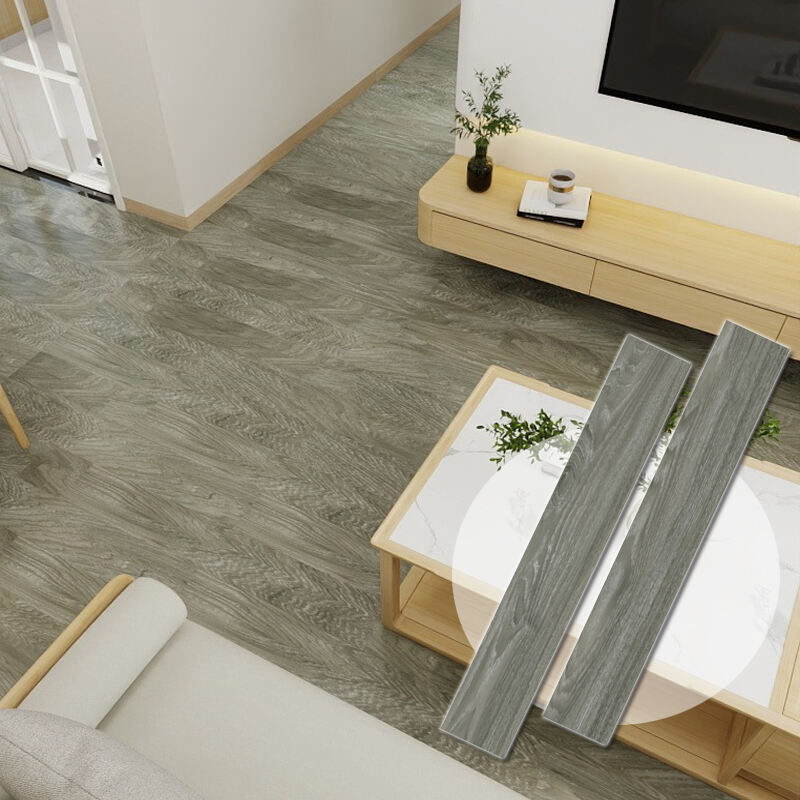
The construction industry has witnessed remarkable innovations in recent years, with manufacturers continuously developing materials that push the boundaries of performance and reliability. SPC flooring stands at the forefront of this evolution, incorporating advanced polymer technology and stone-plastic composite materials to create a flooring solution that excels in both residential and commercial applications. The unique composition of this flooring type delivers exceptional benefits that make it particularly suitable for areas where moisture exposure is a constant concern.
Understanding the Revolutionary SPC Technology
Core Material Composition and Structure
The foundation of SPC flooring lies in its sophisticated multi-layer construction that combines limestone powder, polyvinyl chloride, and advanced stabilizers. This stone-plastic composite creates an incredibly dense and stable core that provides superior dimensional stability compared to traditional vinyl or laminate alternatives. The manufacturing process involves high-pressure compression and precise temperature control, resulting in a product that maintains its structural integrity even under extreme conditions.
The rigid core technology employed in SPC flooring eliminates the expansion and contraction issues commonly associated with other flooring types. This stability proves particularly valuable in environments where temperature fluctuations occur regularly, ensuring that the flooring maintains its appearance and functionality over extended periods. The dense composition also contributes to enhanced impact resistance, making SPC flooring an ideal choice for high-traffic commercial spaces and busy residential areas.
Advanced Manufacturing Processes
State-of-the-art manufacturing techniques ensure that each plank of SPC flooring meets stringent quality standards while maintaining consistent performance characteristics. The production process involves multiple quality control checkpoints, from raw material selection to final product inspection, guaranteeing that every piece delivers the expected performance and longevity. Advanced printing technologies create realistic wood and stone textures that rival natural materials in appearance while surpassing them in practical performance.
The precision manufacturing process also enables the creation of innovative locking mechanisms that facilitate easy installation while ensuring secure connections between planks. These engineered connections contribute to the overall water resistance of the flooring system by creating tight seals that prevent moisture penetration. The result is a floating floor system that can be installed over various subfloor types without compromising its waterproof properties.
Comprehensive Waterproof Performance Analysis
Complete Moisture Barrier Protection
The waterproof nature of SPC flooring stems from its non-porous core material that completely repels water and other liquids. Unlike traditional hardwood or laminate flooring that can absorb moisture and suffer permanent damage, this advanced flooring technology maintains its structural integrity even when exposed to standing water for extended periods. This characteristic makes it particularly valuable in bathrooms, kitchens, laundry rooms, and commercial spaces where spills and moisture exposure are inevitable.
Laboratory testing demonstrates that SPC flooring can withstand submersion in water for 24 hours or more without experiencing swelling, warping, or delamination. This exceptional performance provides property owners with confidence that their flooring investment will remain protected even in the event of plumbing failures, appliance leaks, or severe weather conditions. The peace of mind that comes with this level of protection makes SPC flooring an increasingly popular choice for areas previously considered unsuitable for attractive flooring options.
Long-Term Moisture Resistance Benefits
The moisture resistance of SPC flooring extends beyond simple water repulsion to include protection against humidity, condensation, and other forms of moisture exposure that can compromise traditional flooring materials over time. This comprehensive moisture barrier prevents the growth of mold and mildew, contributing to healthier indoor air quality and reducing maintenance requirements. Property owners benefit from reduced long-term costs associated with moisture-related damage and replacement needs.
The consistent performance of SPC flooring in high-humidity environments makes it particularly suitable for coastal properties, basement installations, and commercial facilities with varying environmental conditions. The material's stability under diverse moisture conditions ensures that the flooring maintains its appearance and functionality regardless of seasonal changes or climate variations. This reliability translates to reduced maintenance costs and extended service life compared to alternative flooring options.
Installation Advantages and Practical Applications
Simplified Installation Process
The installation of SPC flooring offers significant advantages over traditional flooring materials, with its click-lock system enabling efficient installation without the need for adhesives or extensive subfloor preparation. Professional installers can complete projects more quickly and with fewer complications, while DIY enthusiasts can achieve professional-quality results with proper preparation and attention to detail. The floating installation method also allows for easy removal and replacement if necessary, adding flexibility for future renovations or updates.
The rigid nature of SPC flooring enables installation over minor subfloor imperfections without compromising performance or appearance. This tolerance for substrate variations reduces preparation time and costs while ensuring that the finished installation meets high standards for both functionality and aesthetics. The ability to install directly over existing flooring in many situations further streamlines the renovation process and minimizes disruption to daily activities.
Versatile Application Environments
SPC flooring demonstrates exceptional versatility across diverse application environments, from residential bathrooms and kitchens to commercial restaurants and healthcare facilities. The waterproof properties combined with easy maintenance make it particularly suitable for food service areas where hygiene requirements are stringent and frequent cleaning is necessary. Healthcare facilities benefit from the non-porous surface that resists bacteria and facilitates thorough sanitization procedures.
Retail environments and office spaces appreciate the durability and aesthetic appeal of SPC flooring, which maintains its appearance under heavy foot traffic while requiring minimal maintenance. The comfort underfoot provided by the resilient core material reduces fatigue for employees and customers who spend extended periods standing or walking on the surface. The variety of available designs and textures ensures that SPC flooring can complement any interior design scheme while providing superior performance characteristics.
Maintenance and Longevity Considerations
Simplified Cleaning and Care Requirements
The maintenance requirements for SPC flooring are remarkably straightforward, requiring only regular sweeping or vacuuming and occasional damp mopping with mild cleaning solutions. The non-porous surface prevents dirt and grime from penetrating the material, making cleaning more effective and less time-intensive than traditional flooring options. Spills can be wiped up immediately without concern for staining or permanent damage, providing convenience for busy households and commercial operations.
The resistance to scratches and scuffs exhibited by quality SPC flooring reduces the need for refinishing or repair procedures that are commonly required with hardwood or other natural materials. The protective wear layer maintains the appearance of the flooring even under demanding conditions, ensuring that the investment continues to provide value throughout its extended service life. Professional maintenance requirements are minimal, further reducing the total cost of ownership over time.
Extended Service Life and Durability
The exceptional durability of SPC flooring translates to extended service life that often exceeds 20 years in residential applications and 10-15 years in commercial environments with proper installation and care. The resistance to moisture, temperature fluctuations, and physical damage ensures consistent performance throughout this extended lifespan, making it a cost-effective investment for property owners. The stability of the core material prevents the dimensional changes that can compromise other flooring types over time.
Warranty coverage for quality SPC flooring often reflects manufacturer confidence in product longevity, with many products offering comprehensive protection for residential and commercial installations. The predictable performance characteristics allow property managers to plan maintenance budgets more accurately while reducing the risk of unexpected replacement costs. This reliability makes SPC flooring particularly attractive for commercial applications where flooring failures can disrupt business operations and generate significant costs.
Environmental and Health Benefits
Indoor Air Quality Improvements
Modern SPC flooring products incorporate low-emission formulations that contribute to improved indoor air quality compared to some traditional flooring materials and adhesives. The absence of formaldehyde and other volatile organic compounds in quality products makes SPC flooring suitable for sensitive individuals and environments where air quality is a primary concern. The non-porous surface also prevents the accumulation of allergens and dust mites that can compromise indoor air quality over time.
The resistance to mold and mildew growth provided by SPC flooring eliminates a common source of indoor air quality problems, particularly in humid environments or areas prone to moisture exposure. This characteristic proves especially valuable in healthcare facilities, schools, and residential spaces where occupant health and comfort are prioritized. The easy cleaning and maintenance requirements further support healthy indoor environments by facilitating effective removal of contaminants and allergens.
Sustainable Material Considerations
Many SPC flooring products incorporate recycled materials in their composition, contributing to sustainable building practices and reducing environmental impact. The extended service life of these products also supports sustainability goals by reducing the frequency of replacement and associated waste generation. The manufacturing processes employed by leading producers increasingly emphasize energy efficiency and waste reduction, further enhancing the environmental profile of SPC flooring options.
The recyclability of SPC flooring at the end of its service life provides additional environmental benefits compared to materials that must be disposed of in landfills. Advanced recycling technologies enable the recovery and reuse of core materials, supporting circular economy principles and reducing the demand for virgin raw materials. Property owners can contribute to environmental stewardship while enjoying the practical benefits of this advanced flooring technology.
FAQ
How does SPC flooring perform in extremely wet conditions like bathrooms and pool areas
SPC flooring excels in extremely wet conditions due to its 100% waterproof core construction that prevents water absorption and damage. The material can withstand standing water, frequent splashing, and high humidity without experiencing swelling, warping, or delamination. The non-slip surface treatments available on many products also enhance safety in wet areas while maintaining the aesthetic appeal of natural materials.
Can SPC flooring be installed over radiant heating systems
Yes, SPC flooring is compatible with radiant heating systems and actually provides excellent thermal conductivity for efficient heat transfer. The dimensional stability of the core material ensures consistent performance even with temperature variations from heating systems. Installation over radiant heat requires proper temperature controls and gradual temperature changes to ensure optimal performance and longevity of both the flooring and heating system.
What thickness options are available for SPC flooring and how do they affect performance
SPC flooring typically ranges from 4mm to 8mm in total thickness, with thicker options providing enhanced durability and sound absorption properties. The core thickness directly impacts the flooring's ability to bridge minor subfloor imperfections and provide underfoot comfort. Commercial applications often benefit from thicker options, while residential installations can achieve excellent performance with standard thickness products when properly installed.
How does SPC flooring compare to luxury vinyl tile in terms of waterproof performance
While both SPC flooring and luxury vinyl tile offer water resistance, SPC flooring provides superior waterproof performance due to its rigid stone-plastic composite core. The dense, non-porous construction of SPC flooring ensures complete moisture protection, while some luxury vinyl products may be more susceptible to moisture penetration at seams or through the backing material. SPC flooring also offers better dimensional stability and durability under extreme conditions.
Table of Contents
- Understanding the Revolutionary SPC Technology
- Comprehensive Waterproof Performance Analysis
- Installation Advantages and Practical Applications
- Maintenance and Longevity Considerations
- Environmental and Health Benefits
-
FAQ
- How does SPC flooring perform in extremely wet conditions like bathrooms and pool areas
- Can SPC flooring be installed over radiant heating systems
- What thickness options are available for SPC flooring and how do they affect performance
- How does SPC flooring compare to luxury vinyl tile in terms of waterproof performance