
 EN
EN

When renovating or constructing commercial and residential spaces, SPC wall panels have emerged as a revolutionary building material that combines durability, aesthetics, and functionality. These Stone Plastic Composite panels offer superior performance characteristics that make them ideal for various applications, from hospitality environments to healthcare facilities. Understanding the critical factors of thickness and finish selection ensures optimal performance and longevity in your installation projects.
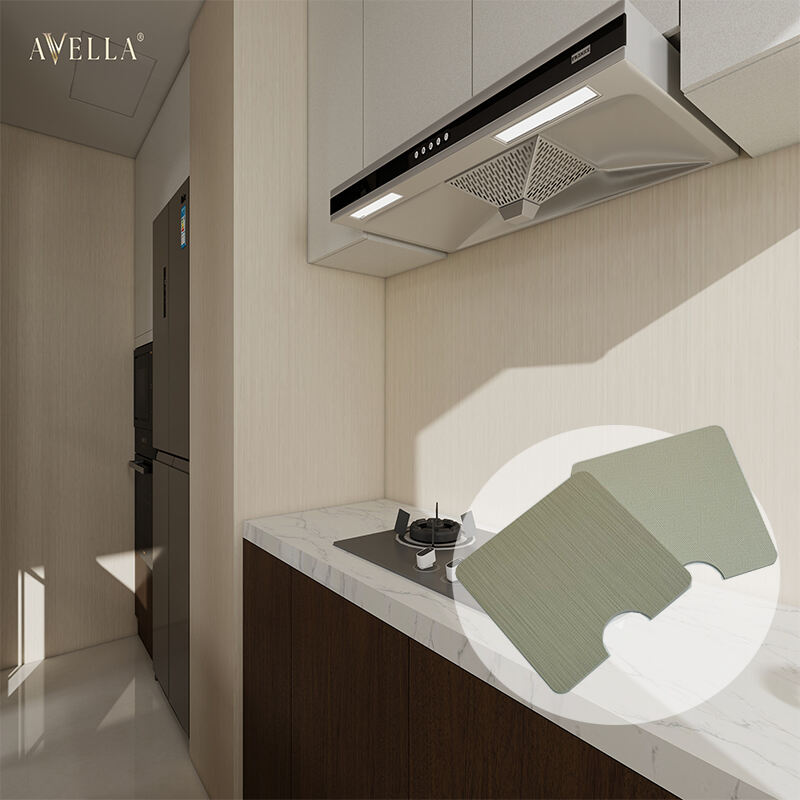
The selection process for SPC wall panels requires careful consideration of multiple technical specifications that directly impact both installation efficiency and long-term performance. Professional contractors and architects must evaluate thickness parameters alongside surface finishes to ensure compatibility with specific project requirements. Modern manufacturing techniques have enabled SPC wall panels to achieve unprecedented levels of dimensional stability while maintaining cost-effectiveness across diverse market segments.
Industry professionals recognize that proper specification of these composite materials significantly reduces maintenance costs and extends service life compared to traditional wall covering alternatives. The strategic selection of appropriate thickness and finish combinations can enhance both structural integrity and aesthetic appeal, making SPC wall panels an increasingly popular choice for demanding applications where performance cannot be compromised.
Understanding SPC Wall Panel Thickness Standards
Industry Standard Thickness Ranges
SPC wall panels are manufactured in various thickness specifications, typically ranging from 4mm to 12mm, with each thickness category serving specific application requirements. The most commonly specified thicknesses include 6mm for standard residential applications, 8mm for moderate commercial use, and 10mm or greater for high-traffic industrial environments. These thickness variations directly correlate with impact resistance, thermal performance, and overall structural stability of the installed system.
Professional installers must consider substrate conditions when selecting appropriate thickness levels, as thicker SPC wall panels can accommodate minor surface irregularities while providing enhanced dimensional stability. The relationship between panel thickness and installation complexity requires careful evaluation, particularly in retrofit applications where existing wall conditions may influence thickness selection criteria.
Manufacturing standards ensure that SPC wall panels maintain consistent thickness tolerances across production runs, enabling predictable installation outcomes and reliable performance characteristics. Quality control protocols verify dimensional accuracy within specified parameters, ensuring that selected thickness levels meet project requirements without compromising structural integrity or aesthetic consistency.
Thickness Impact on Performance Characteristics
The thickness of SPC wall panels directly influences multiple performance parameters, including thermal conductivity, acoustic properties, and resistance to mechanical damage. Thicker panels generally provide superior impact resistance and enhanced thermal insulation capabilities, making them suitable for environments where temperature stability and durability are critical considerations. These performance characteristics become particularly important in commercial applications where long-term reliability is essential.
Structural engineers recognize that increased thickness in SPC wall panels contributes to improved flatness retention and reduced susceptibility to thermal expansion and contraction cycles. This dimensional stability is crucial for maintaining consistent appearance and preventing joint separation in large-scale installations. The enhanced rigidity of thicker panels also facilitates installation on surfaces with minor imperfections without telegraphing substrate irregularities.
Cost considerations must balance the benefits of increased thickness against budget constraints, as thicker SPC wall panels typically command premium pricing while delivering enhanced performance characteristics. The long-term value proposition often favors thicker specifications in demanding applications where replacement costs would exceed the initial investment differential.
Surface Finish Options and Selection Criteria
Textured Finish Classifications
Modern SPC wall panels offer diverse surface finish options designed to meet specific aesthetic and functional requirements across various market segments. Textured finishes range from subtle grain patterns that mimic natural wood species to pronounced relief surfaces that provide enhanced visual interest and tactile appeal. These finish variations are achieved through advanced embossing techniques that create consistent patterns while maintaining durability and cleanability.
The selection of appropriate textured finishes must consider maintenance requirements, as deeper relief patterns may require specialized cleaning procedures compared to smoother alternatives. Professional facility managers evaluate texture depth against maintenance capabilities to ensure long-term appearance retention without excessive labor costs. SPC wall panels with moderate texture levels often provide optimal balance between aesthetic appeal and maintenance efficiency.
Light reflection characteristics vary significantly among different textured finishes, influencing the overall lighting design strategy for interior spaces. Architects must coordinate finish selection with illumination planning to achieve desired ambiance while avoiding unwanted glare or shadow patterns that could impact occupant comfort or functionality.
Smooth and Semi-Gloss Finishes
Smooth finish SPC wall panels provide sleek, contemporary aesthetics that complement modern architectural design trends while offering superior cleanability for healthcare and food service applications. These finishes resist staining and facilitate thorough sanitization procedures, making them ideal for environments where hygiene standards are paramount. The non-porous surface characteristics prevent bacterial growth and eliminate concerns about contamination in sensitive applications.
Semi-gloss finishes represent a compromise between high-gloss reflectivity and matte texture, providing moderate light reflection while concealing minor surface imperfections that may develop over time. This finish category has gained popularity in commercial environments where appearance retention is important but excessive maintenance requirements must be avoided.
Durability testing demonstrates that smooth and semi-gloss finishes on SPC wall panels maintain color stability and surface integrity under accelerated aging conditions that simulate years of normal service exposure. These performance characteristics ensure that initial aesthetic investment continues to provide value throughout the expected service life of the installation.
Technical Considerations for Thickness Selection
Load-Bearing Requirements
Structural engineers must evaluate load-bearing requirements when specifying thickness parameters for SPC wall panels in applications where mechanical forces may be encountered. While these panels are not typically designed for structural load support, they must withstand impact forces, thermal stresses, and normal handling during occupancy. Thicker panels provide increased resistance to deflection and damage from incidental contact or equipment operations.
Installation substrates influence thickness selection criteria, as irregularities in supporting surfaces can be accommodated by thicker SPC wall panels without compromising installation quality. Professional contractors recognize that adequate thickness provides installation flexibility while ensuring long-term performance in challenging substrate conditions. The relationship between panel thickness and substrate preparation requirements directly affects overall project costs and scheduling.
Quality assurance protocols verify that selected thickness levels meet or exceed performance requirements for specific applications, ensuring that installed systems provide expected service life without premature failure or maintenance issues. These verification procedures are particularly important in commercial applications where performance standards are critical to operational success.
Environmental Factors and Thickness
Environmental conditions significantly influence thickness selection for SPC wall panels, particularly in applications where temperature fluctuations, humidity variations, or chemical exposure may occur. Thicker panels generally provide enhanced stability under thermal cycling conditions, reducing the risk of dimensional changes that could affect appearance or joint integrity. This stability is crucial for maintaining consistent aesthetics in environments with variable climate control.
Moisture resistance characteristics improve with increased thickness in SPC wall panels, as thicker sections provide enhanced barrier properties against humidity penetration. This protection is particularly valuable in applications such as healthcare facilities, food processing areas, or humid climates where moisture control is essential for preventing substrate damage or biological growth.
Chemical resistance properties remain consistent across thickness variations in quality SPC wall panels, but thicker sections provide additional protection against accidental damage from cleaning chemicals or industrial processes. The enhanced chemical barrier characteristics contribute to extended service life in demanding applications where aggressive cleaning protocols are required.
Finish Performance and Durability Factors
Wear Resistance Evaluation
Wear resistance testing evaluates the long-term durability of various finish options available for SPC wall panels, providing quantitative data to support specification decisions in high-traffic applications. Standardized abrasion testing protocols measure surface degradation under controlled conditions that simulate years of normal service exposure. These test results enable designers to select appropriate finish levels based on expected traffic patterns and maintenance capabilities.
The relationship between finish hardness and wear resistance varies among different surface treatments applied to SPC wall panels, requiring careful evaluation of specific performance requirements. Premium finishes typically incorporate advanced polymer technologies that enhance resistance to scratching, scuffing, and chemical damage while maintaining aesthetic appeal throughout the service life of the installation.
Field performance data confirms that properly selected finishes on SPC wall panels can maintain acceptable appearance levels for decades in appropriate applications, providing excellent return on investment compared to alternative wall covering systems. This long-term durability reduces lifecycle costs and minimizes disruption from maintenance or replacement activities.
Cleaning and Maintenance Requirements
Maintenance protocols for different finish types on SPC wall panels must be established during the specification phase to ensure long-term appearance retention and performance. Textured finishes may require specialized cleaning equipment or procedures compared to smooth alternatives, influencing total cost of ownership calculations. Professional facility managers must evaluate available maintenance resources against finish requirements to optimize selection decisions.
Chemical compatibility between recommended cleaning products and specific finish types prevents damage during routine maintenance operations while ensuring effective cleaning performance. Manufacturers provide detailed cleaning guidelines that specify appropriate products and procedures for each finish category, enabling facility managers to develop effective maintenance programs that protect their investment in SPC wall panels.
Stain resistance characteristics vary among finish options, with some specialized coatings providing enhanced protection against common contaminants encountered in commercial environments. These protective properties reduce cleaning frequency requirements and extend the intervals between major maintenance procedures, contributing to reduced lifecycle costs.
Installation Considerations for Different Specifications
Substrate Preparation Requirements
Proper substrate preparation is essential for achieving optimal performance from SPC wall panels regardless of selected thickness or finish specifications. Surface flatness tolerances become more critical with thinner panels, as minor irregularities can telegraph through to the finished surface and affect appearance quality. Professional installers must evaluate existing conditions and specify appropriate preparation procedures to ensure successful installation outcomes.
Moisture content verification in substrate materials prevents installation problems that could compromise the long-term performance of SPC wall panels. Excessive moisture can cause adhesion failures or dimensional instability, particularly in applications where environmental conditions may vary significantly. Quality control procedures must include moisture testing and mitigation measures where necessary.
Structural integrity of supporting surfaces must be verified before installing SPC wall panels, as inadequate support can lead to deflection or movement that damages the finished installation. This evaluation is particularly important when retrofitting existing buildings where structural conditions may have deteriorated over time.
Expansion Joint Planning
Thermal expansion characteristics of SPC wall panels require careful planning of expansion joints and perimeter details to accommodate dimensional changes without compromising appearance or performance. Joint spacing requirements vary with panel thickness and installation area dimensions, requiring coordination between design professionals and installation contractors. Proper joint design prevents buckling or separation that could affect both aesthetics and structural integrity.
Sealant selection for expansion joints must consider compatibility with SPC wall panels and environmental conditions at the installation site. Premium sealant systems provide long-term flexibility and adhesion while maintaining weather resistance and appearance characteristics. The selection of appropriate joint materials directly impacts the success and longevity of the installation.
Coordination between different building systems requires careful planning of expansion joint locations to avoid conflicts with electrical, mechanical, or structural elements. This coordination is particularly important in complex commercial projects where multiple trades must integrate their work without compromising the performance of SPC wall panels or other building components.
Cost-Benefit Analysis of Thickness and Finish Options
Initial Investment Considerations
The initial cost differential between various thickness and finish options for SPC wall panels must be evaluated against expected performance benefits and lifecycle value. Thicker panels typically command premium pricing but provide enhanced durability and installation flexibility that can offset higher material costs through reduced labor requirements or improved longevity. Professional project managers must consider these factors when developing budget estimates and specifications.
Premium finish options may represent significant cost increases compared to standard alternatives, but specialized performance characteristics can justify the investment in appropriate applications. Healthcare facilities, food service areas, or high-end commercial spaces may require finishes that provide enhanced cleanability, stain resistance, or aesthetic appeal that standard options cannot match.
Quantity considerations influence unit pricing for SPC wall panels, as larger projects often qualify for volume discounts that improve cost-effectiveness. Project planners should coordinate procurement strategies to maximize purchasing power while ensuring that selected specifications meet performance requirements across all application areas within the project scope.
Long-Term Value Propositions
Lifecycle cost analysis demonstrates that premium thickness and finish selections for SPC wall panels often provide superior value compared to economy alternatives when maintenance costs and replacement intervals are considered. The enhanced durability and reduced maintenance requirements of higher-specification panels can result in significant cost savings over the building's service life, particularly in commercial applications where operational continuity is critical.
Energy efficiency benefits from thicker SPC wall panels can contribute to reduced heating and cooling costs through improved thermal performance characteristics. These energy savings accumulate over the building's operational life and should be included in comprehensive cost-benefit calculations when evaluating specification alternatives.
Aesthetic retention characteristics influence long-term value by maintaining property appeal and marketability without requiring costly renovation or replacement procedures. High-quality finishes on properly specified SPC wall panels can preserve interior aesthetics for decades, protecting real estate values and avoiding disruption from premature replacement needs.
FAQ
What is the optimal thickness for SPC wall panels in commercial applications
For most commercial applications, 8mm to 10mm thickness provides the ideal balance of performance and cost-effectiveness. This thickness range offers excellent impact resistance, dimensional stability, and installation flexibility while maintaining reasonable material costs. High-traffic areas or demanding environments may benefit from 12mm panels for enhanced durability and longevity.
How do different finish types affect maintenance requirements for SPC wall panels
Smooth finishes require minimal maintenance and support standard cleaning procedures, making them ideal for healthcare or food service applications. Textured finishes may need specialized cleaning equipment but provide enhanced aesthetic appeal and can better conceal minor surface damage. Semi-gloss finishes offer a compromise with moderate maintenance requirements and good appearance retention characteristics.
Can SPC wall panels accommodate irregular substrate conditions
Thicker SPC wall panels can accommodate minor substrate irregularities better than thinner alternatives, reducing substrate preparation requirements and installation costs. Panels 8mm or thicker can bridge small imperfections without telegraphing through to the finished surface, while maintaining structural integrity and appearance quality throughout their service life.
What factors should influence the selection between different finish options for SPC wall panels
Finish selection should consider the intended application, maintenance capabilities, aesthetic requirements, and environmental conditions. Healthcare facilities may prioritize cleanability with smooth finishes, while hospitality applications might emphasize aesthetic appeal with textured options. Budget constraints and long-term maintenance costs should also influence the decision-making process for optimal value.
Table of Contents
- Understanding SPC Wall Panel Thickness Standards
- Surface Finish Options and Selection Criteria
- Technical Considerations for Thickness Selection
- Finish Performance and Durability Factors
- Installation Considerations for Different Specifications
- Cost-Benefit Analysis of Thickness and Finish Options
-
FAQ
- What is the optimal thickness for SPC wall panels in commercial applications
- How do different finish types affect maintenance requirements for SPC wall panels
- Can SPC wall panels accommodate irregular substrate conditions
- What factors should influence the selection between different finish options for SPC wall panels