
 EN
EN
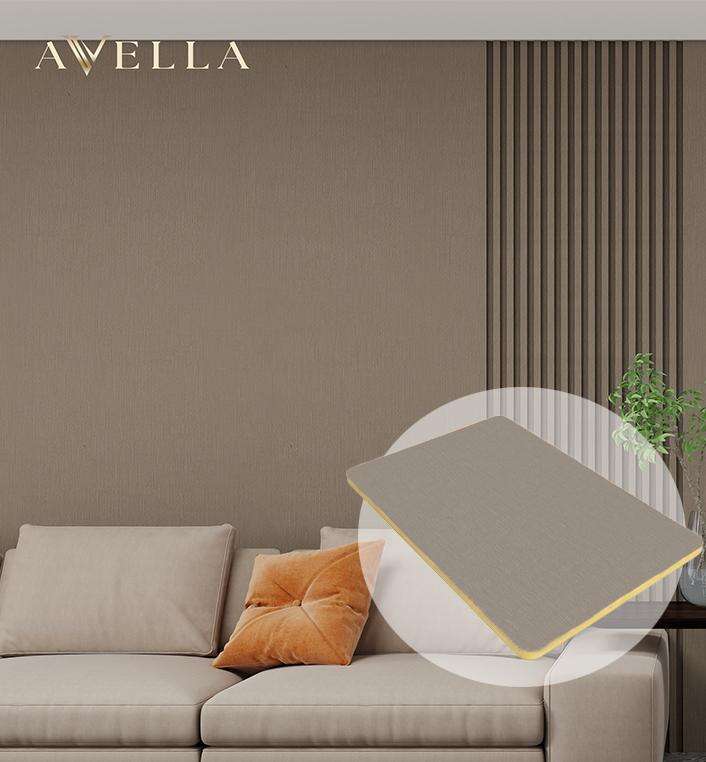
Modern homeowners and construction professionals increasingly recognize the importance of selecting appropriate materials for moisture-prone environments. Bathrooms, kitchens, and other high-humidity spaces present unique challenges that require specialized solutions capable of withstanding constant exposure to water, steam, and temperature fluctuations. SPC wall panels have emerged as a revolutionary building material that addresses these specific environmental demands while offering superior performance characteristics compared to traditional wall coverings. These innovative panels combine advanced manufacturing techniques with carefully selected raw materials to create a product that excels in both functionality and aesthetic appeal.
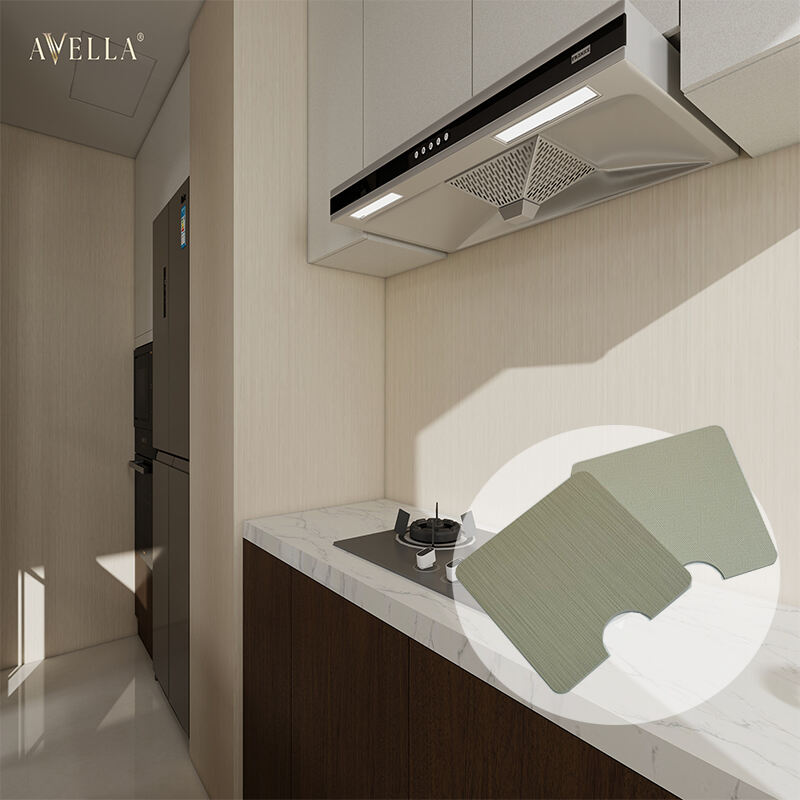
Understanding the Composition and Structure of SPC Wall Panels
Stone Polymer Composite Technology
SPC wall panels utilize stone polymer composite technology, which represents a significant advancement in building material engineering. This technology incorporates natural limestone powder, polyvinyl chloride, and specialized stabilizers to create a rigid core structure that maintains dimensional stability under varying environmental conditions. The limestone component typically comprises 60-70% of the total composition, providing exceptional density and structural integrity that traditional materials cannot match.
The manufacturing process involves high-temperature fusion techniques that molecularly bond the limestone particles with the polymer matrix. This creates a homogeneous material with consistent properties throughout its thickness, eliminating weak points that could compromise performance in moisture-rich environments. The resulting product demonstrates remarkable resistance to expansion and contraction, maintaining its original dimensions even when subjected to significant temperature and humidity variations commonly found in bathroom applications.
Multi-Layer Construction Benefits
The multi-layer architecture of SPC wall panels contributes significantly to their superior performance characteristics. Each layer serves a specific function, beginning with a protective wear layer that provides scratch resistance and surface durability. This transparent layer also incorporates ultraviolet inhibitors that prevent color fading and surface degradation over extended periods of exposure to artificial lighting and natural sunlight.
Beneath the wear layer, a high-resolution decorative film offers unlimited design possibilities while maintaining photorealistic appearance and texture. The rigid SPC core provides the structural foundation, followed by a stabilizing backing layer that enhances installation characteristics and long-term performance. This sophisticated construction method ensures that SPC wall panels deliver consistent performance across all operational parameters while maintaining their aesthetic properties throughout their service life.
Superior Moisture Resistance Properties
Waterproof Core Technology
The inherent moisture resistance of SPC wall panels stems from their unique core composition, which exhibits zero water absorption properties. Unlike traditional drywall or wood-based materials that can absorb moisture and subsequently warp, swell, or degrade, SPC wall panels maintain their structural integrity even when subjected to direct water contact or prolonged exposure to high humidity conditions. This characteristic makes them exceptionally suitable for bathroom installations where steam and moisture are constant environmental factors.
Laboratory testing demonstrates that SPC wall panels maintain dimensional stability when submerged in water for extended periods, showing no measurable expansion or contraction. This performance characteristic eliminates concerns about joint separation, surface buckling, or other moisture-related failures that commonly affect alternative wall covering materials. The waterproof nature of the core material extends to the entire panel thickness, ensuring comprehensive protection against moisture infiltration.
Vapor Barrier Functionality
SPC wall panels function as an effective vapor barrier, preventing moisture migration through the wall assembly and protecting underlying structural components from humidity-related damage. This vapor barrier functionality is particularly valuable in bathroom applications where steam generation creates high vapor pressure differentials between interior and exterior environments. By preventing moisture transmission, SPC wall panels help maintain healthy indoor air quality while protecting building structures from potential mold and mildew development.
The vapor barrier properties of SPC wall panels also contribute to improved energy efficiency by reducing the workload on HVAC systems. When moisture cannot penetrate the wall assembly, heating and cooling systems operate more efficiently, resulting in reduced energy consumption and lower utility costs. This benefit becomes particularly significant in commercial applications where multiple bathrooms or moisture-prone areas require climate control throughout operating hours.
Installation Advantages and System Benefits
Simplified Installation Procedures
The installation process for SPC wall panels offers significant advantages over traditional bathroom wall covering methods. These panels feature precision-engineered locking mechanisms that enable secure installation without requiring specialized tools or extensive preparation work. The tongue-and-groove design ensures proper alignment and creates seamless joints that maintain their integrity throughout the service life of the installation.
Professional contractors appreciate the reduced labor requirements associated with SPC wall panels installation. Unlike ceramic tile installations that require substrate preparation, adhesive application, grouting, and extended curing periods, SPC wall panels can be installed directly over existing surfaces in most applications. This capability significantly reduces project timelines while minimizing disruption to building occupants during renovation projects.
Maintenance and Cleaning Efficiency
SPC wall panels require minimal maintenance compared to traditional bathroom wall materials, making them particularly attractive for commercial applications and high-use residential environments. The smooth, non-porous surface resists staining and allows for easy cleaning using standard household cleaning products. Unlike grout lines in tile installations that require regular maintenance and periodic resealing, SPC wall panels present a continuous surface that eliminates dirt and bacteria accumulation points.
The cleaning efficiency of SPC wall panels extends to their resistance to common bathroom contaminants including soap scum, hard water deposits, and organic staining. Regular cleaning with mild detergents maintains the original appearance and performance characteristics without requiring abrasive cleaners or specialized maintenance procedures. This ease of maintenance translates to reduced long-term ownership costs and improved hygiene standards in bathroom environments.
Thermal Performance and Comfort Enhancement
Insulation Properties
SPC wall panels provide enhanced thermal performance compared to traditional wall coverings, contributing to improved comfort levels in bathroom environments. The dense core material offers superior thermal mass properties that help moderate temperature fluctuations and reduce thermal bridging through the wall assembly. This thermal performance characteristic becomes particularly valuable in bathroom applications where maintaining consistent temperatures enhances user comfort and reduces energy consumption.
The insulation properties of SPC wall panels also contribute to reduced condensation formation on wall surfaces. By maintaining higher surface temperatures relative to ambient conditions, these panels minimize the temperature differential that drives condensation formation. This benefit helps maintain better indoor air quality while reducing the potential for moisture-related problems in enclosed bathroom spaces.
Sound Dampening Characteristics
The dense composition of SPC wall panels provides excellent sound dampening properties that enhance privacy and comfort in bathroom installations. The rigid core material effectively absorbs sound energy and reduces sound transmission between adjacent spaces, making these panels particularly valuable in multi-family residential buildings and commercial applications where acoustic privacy is important.
Acoustic testing demonstrates that SPC wall panels significantly outperform traditional drywall assemblies in both impact and airborne sound transmission reduction. This acoustic performance improvement contributes to overall building quality while addressing noise concerns that commonly arise in high-density living situations. The sound dampening characteristics of SPC wall panels remain consistent throughout their service life, providing long-term acoustic benefits.
Design Flexibility and Aesthetic Options
Realistic Surface Textures
Modern SPC wall panels offer exceptional design flexibility through advanced digital printing technology that creates photorealistic surface textures and patterns. These manufacturing capabilities enable the production of panels that accurately replicate natural materials including wood grain, stone textures, and fabric patterns while maintaining the superior performance characteristics of the SPC core material. The high-resolution printing process captures fine details and subtle color variations that create authentic visual appeal.
The embossed surface textures of SPC wall panels are carefully synchronized with the printed patterns to create tactile authenticity that enhances the visual realism. This attention to detail ensures that installed panels provide both visual and tactile experiences that closely match natural materials while offering superior performance in moisture-prone environments. The texture variations also help mask minor surface imperfections and provide visual interest that enhances overall design appeal.
Color Stability and Longevity
The color stability of SPC wall panels represents a significant advantage over traditional materials that may fade or discolor when exposed to moisture, cleaning chemicals, or ultraviolet light. Advanced colorants and protective layers maintain their original appearance throughout extended service periods, ensuring that bathroom installations retain their aesthetic appeal without requiring periodic refinishing or replacement.
Laboratory testing confirms that SPC wall panels maintain color consistency even when subjected to accelerated aging conditions that simulate decades of typical bathroom exposure. This color stability eliminates concerns about uneven fading or color matching difficulties during partial replacements or renovations. The consistent appearance throughout the service life of SPC wall panels provides predictable aesthetic performance that supports long-term design objectives.
Environmental Impact and Sustainability
Eco-Friendly Manufacturing
The manufacturing process for SPC wall panels incorporates sustainable practices and environmentally responsible material sourcing. The limestone component is typically sourced from recycled construction materials or abundant natural deposits, reducing the environmental impact associated with material extraction. The polymer components can be recycled at the end of the product service life, supporting circular economy principles and reducing waste generation.
Energy-efficient manufacturing processes minimize the carbon footprint associated with SPC wall panels production while maintaining strict quality control standards. Advanced manufacturing facilities incorporate waste heat recovery systems and optimize material utilization to reduce environmental impact throughout the production cycle. These sustainability initiatives align with green building standards and support environmentally conscious construction practices.
Indoor Air Quality Benefits
SPC wall panels contribute to improved indoor air quality through their low-emission characteristics and resistance to biological contamination. Unlike some traditional materials that may off-gas volatile organic compounds or support microbial growth, SPC wall panels maintain neutral indoor air quality impacts throughout their service life. This characteristic is particularly valuable in bathroom environments where ventilation may be limited and air quality concerns are heightened.
The non-porous surface of SPC wall panels prevents the accumulation of allergens, dust mites, and other biological contaminants that can compromise indoor air quality. This resistance to biological contamination supports healthier indoor environments while reducing cleaning and maintenance requirements. The hypoallergenic properties of SPC wall panels make them suitable for sensitive individuals and contribute to overall occupant health and comfort.
Cost-Effectiveness and Economic Benefits
Initial Investment Considerations
While the initial cost of SPC wall panels may exceed some traditional alternatives, the comprehensive benefits and long-term performance characteristics provide excellent value proposition for bathroom applications. The durability and low maintenance requirements of these panels result in reduced lifecycle costs compared to materials that require periodic replacement or extensive maintenance procedures.
The installation efficiency of SPC wall panels also contributes to overall project cost-effectiveness by reducing labor requirements and project timelines. Professional contractors can complete installations more quickly and with fewer specialized tools, resulting in reduced labor costs and faster project completion. These installation advantages become particularly significant in commercial applications where project delays can result in substantial economic impact.
Long-Term Value Proposition
The exceptional durability of SPC wall panels ensures that initial investments provide returns through extended service life and reduced replacement frequency. Unlike traditional materials that may require replacement every 10-15 years in high-moisture environments, properly installed SPC wall panels can provide decades of reliable service while maintaining their original performance characteristics and aesthetic appeal.
The minimal maintenance requirements of SPC wall panels also contribute to long-term cost savings through reduced cleaning supply costs and lower labor requirements for routine maintenance activities. Property managers and facility operators particularly value these economic benefits in commercial applications where maintenance costs can significantly impact operating budgets. The predictable performance of SPC wall panels enables accurate lifecycle cost planning and budgeting.
FAQ
How do SPC wall panels perform compared to ceramic tile in bathroom applications
SPC wall panels offer several advantages over ceramic tile including faster installation, elimination of grout maintenance, superior impact resistance, and enhanced thermal comfort. While ceramic tile provides excellent durability, SPC wall panels deliver comparable moisture resistance with significantly reduced maintenance requirements and improved installation efficiency. The continuous surface of SPC wall panels also eliminates the hygiene concerns associated with grout lines that can harbor bacteria and require regular cleaning and sealing.
Can SPC wall panels be installed over existing tile or drywall
Yes, SPC wall panels can typically be installed directly over existing smooth, structurally sound surfaces including painted drywall and existing tile installations. The substrate must be clean, dry, and properly prepared according to manufacturer specifications. This capability significantly reduces renovation costs and project timelines by eliminating the need for complete surface removal and preparation. However, severely damaged or uneven surfaces may require additional preparation or substrate correction before panel installation.
What tools and skills are required for SPC wall panel installation
SPC wall panel installation requires basic carpentry tools including a level, measuring tape, utility knife, and appropriate cutting tools for trimming panels to fit. The tongue-and-groove locking mechanism simplifies the installation process and does not require specialized fasteners or adhesives in most applications. While professional installation ensures optimal results, experienced DIY enthusiasts can successfully complete installations following manufacturer guidelines and proper preparation procedures.
How do SPC wall panels handle expansion and contraction in bathroom environments
The rigid SPC core material exhibits minimal expansion and contraction coefficients, maintaining dimensional stability across the temperature and humidity ranges typically encountered in bathroom environments. Proper installation techniques including appropriate expansion gaps at perimeter edges accommodate any minor dimensional changes while maintaining joint integrity. The superior dimensional stability of SPC wall panels eliminates the buckling and warping problems commonly associated with traditional materials in high-moisture applications.
Table of Contents
- Understanding the Composition and Structure of SPC Wall Panels
- Superior Moisture Resistance Properties
- Installation Advantages and System Benefits
- Thermal Performance and Comfort Enhancement
- Design Flexibility and Aesthetic Options
- Environmental Impact and Sustainability
- Cost-Effectiveness and Economic Benefits
- FAQ