
 EN
EN
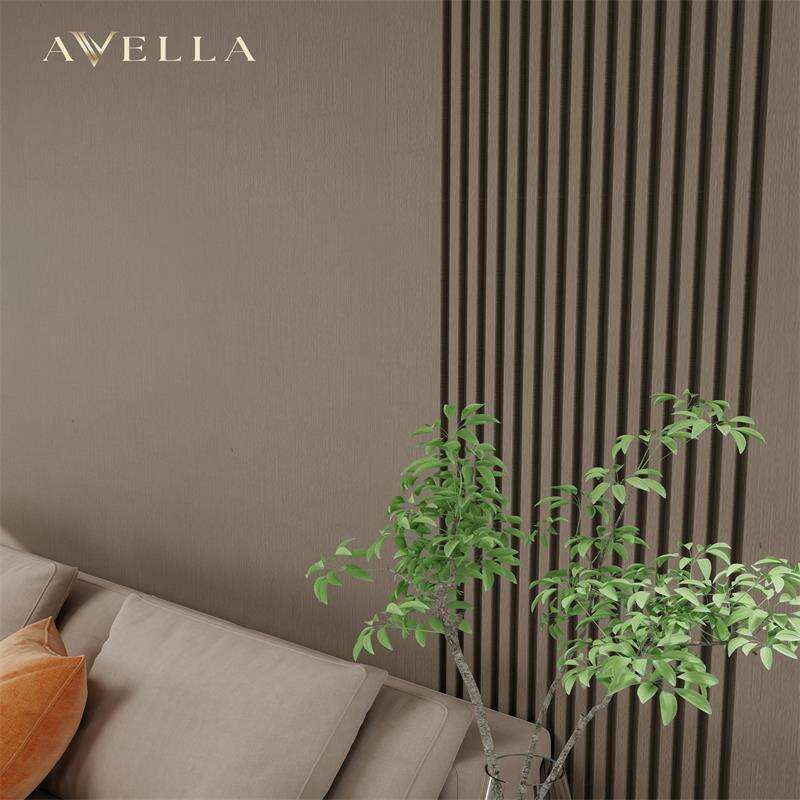
Contemporary interior design has embraced the sophisticated aesthetic of grille wall panels, transforming ordinary spaces into architectural masterpieces. These versatile design elements offer a perfect blend of functionality and visual appeal, creating dynamic patterns while serving practical purposes such as ventilation, privacy screening, and acoustic enhancement. Modern architects and designers increasingly turn to grille wall panel solutions for their ability to add depth, texture, and geometric interest to residential and commercial spaces.
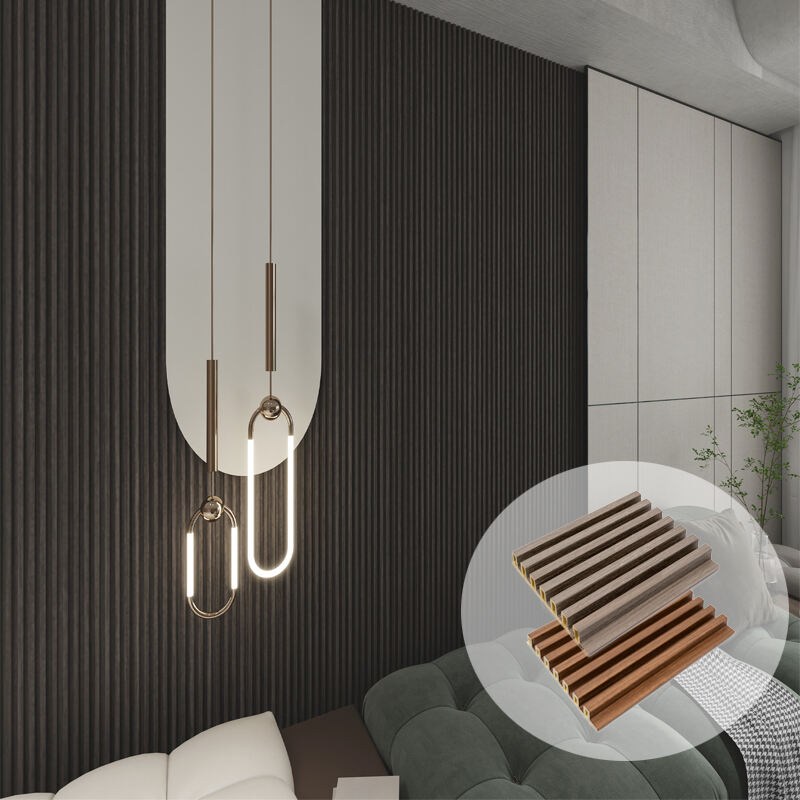
The popularity of these architectural features stems from their remarkable adaptability to various design styles, from minimalist contemporary spaces to industrial-inspired environments. Property owners appreciate how grille wall panels can instantly elevate a room's sophistication while addressing specific functional requirements. Whether used as accent walls, room dividers, or exterior cladding systems, these panels offer unlimited creative possibilities for modern interior design projects.
Understanding Grille Wall Panel Materials and Construction
Traditional Material Options
Natural wood remains a classic choice for grille wall panel construction, offering timeless appeal and excellent workability. Hardwood species like oak, walnut, and teak provide exceptional durability and beautiful grain patterns that enhance the panel's visual impact. These materials work particularly well in residential settings where warmth and organic texture are desired design elements.
Metal grille systems, including aluminum and steel variants, deliver industrial sophistication and exceptional longevity. Aluminum panels offer lightweight installation benefits and superior corrosion resistance, making them ideal for both interior and exterior applications. Steel options provide robust structural integrity and can be powder-coated in virtually any color to match specific design requirements.
Modern Composite Solutions
Wood-plastic composite materials represent the latest advancement in grille wall panel technology, combining the aesthetic appeal of natural wood with enhanced performance characteristics. These engineered materials resist moisture, insects, and dimensional changes while maintaining consistent appearance over time. WPC grille panels require minimal maintenance compared to traditional wood alternatives.
High-density polyethylene and other synthetic materials offer budget-friendly alternatives that still deliver impressive visual results. These materials can be manufactured with various textures and colors, providing designers with extensive customization options while ensuring long-term performance stability in challenging environmental conditions.
Design Styles and Aesthetic Applications
Contemporary Minimalist Approaches
Modern minimalist design principles emphasize clean lines and uncluttered spaces, making grille wall panels an ideal complement to this aesthetic philosophy. Simple horizontal or vertical slat arrangements create subtle visual interest without overwhelming the space. Neutral color palettes in whites, grays, and natural wood tones maintain the serene atmosphere characteristic of minimalist interiors.
Spacing between individual slats becomes a crucial design element in minimalist applications, with wider gaps creating more dramatic shadow play and visual depth. The interplay between solid and void creates architectural rhythm that enhances the overall spatial experience while maintaining the understated elegance that defines contemporary minimalism.
Industrial and Urban Design Integration
Industrial-inspired interiors benefit tremendously from metal grille wall panel installations that emphasize raw materials and exposed structural elements. Dark finishes, weathered textures, and bold geometric patterns complement exposed brick, concrete floors, and steel beam ceilings commonly found in converted warehouse spaces and urban lofts.
These environments often feature larger-scale grille patterns with substantial visual weight that can anchor expansive open-plan layouts. The robust appearance of industrial-style panels helps define different functional zones within large spaces while maintaining visual connectivity throughout the area.
Installation Methods and Technical Considerations
Wall-Mounted Installation Systems
Proper wall mounting requires careful attention to structural support and alignment to ensure professional results. Most grille wall panel systems utilize hidden fastening methods that maintain clean visual lines while providing secure attachment to wall studs or mounting brackets. The substrate wall condition must be evaluated to determine appropriate fastening methods and any necessary preparation work.
Leveling and plumb installation are critical for achieving the precise geometric appearance that makes grille panels so visually appealing. Professional installers typically use laser levels and detailed measuring techniques to ensure consistent spacing and perfect alignment across large wall surfaces. Any irregularities in the base wall must be addressed before panel installation begins.
Freestanding and Room Divider Configurations
Freestanding grille installations require robust support structures that can safely handle wind loads and potential lateral forces. Floor-to-ceiling configurations often incorporate both floor mounting and ceiling attachment points to ensure stability. The structural engineering considerations become more complex with taller installations or panels exposed to significant air movement.
Room divider applications offer unique opportunities to create semi-private spaces while maintaining visual connectivity and natural light flow. These installations must balance privacy needs with the desire for open communication between adjacent spaces. Adjustable or modular systems provide flexibility for changing space requirements over time.
Functional Benefits Beyond Aesthetics
Ventilation and Air Circulation
Strategic placement of grille wall panels can significantly improve natural ventilation patterns within interior spaces. The open design allows air to circulate freely while still providing visual screening and architectural interest. This passive ventilation approach can reduce energy costs and improve indoor air quality in appropriately designed applications.
HVAC integration possibilities include concealing ductwork behind grille panels or incorporating the panels themselves into the ventilation system design. The gaps between slats can be sized and oriented to optimize airflow patterns while maintaining the desired aesthetic appearance. This dual functionality makes grille panels particularly valuable in sustainable building design strategies.
Privacy and Light Management
Carefully designed grille spacing can provide effective visual privacy while still allowing natural light penetration throughout the space. This balance becomes particularly important in office environments where collaboration spaces need to feel open yet provide some acoustic and visual separation. Variable slat spacing or adjustable louver systems offer dynamic control over privacy levels.
Light filtration capabilities create interesting shadow patterns that change throughout the day as the sun angle shifts. These dynamic light effects add visual interest and help connect interior spaces with the natural rhythms of outdoor lighting conditions. Strategic orientation can maximize these effects for enhanced spatial ambiance.
2025 Design Trends and Future Innovations
Sustainable Material Integration
Environmental consciousness continues driving innovation in grille wall panel materials, with recycled content and renewable resources becoming standard specifications. Bamboo composites, reclaimed wood, and recycled metal options provide environmentally responsible alternatives without compromising design quality or performance characteristics.
Life cycle assessment considerations now influence material selection decisions, with designers evaluating not only initial environmental impact but also long-term maintenance requirements and end-of-life disposal or recycling possibilities. These sustainability factors are becoming primary decision criteria rather than secondary considerations in modern specification processes.
Smart Technology Integration
Emerging technologies enable grille wall panels to incorporate smart building features such as integrated lighting systems, air quality monitoring sensors, and responsive opacity control. LED strips can be seamlessly integrated into panel frameworks to provide accent lighting or wayfinding systems in commercial applications.
Motorized louver systems allow real-time adjustment of privacy and ventilation levels through smartphone apps or building automation systems. These dynamic capabilities transform static architectural elements into responsive environmental control systems that adapt to changing occupancy patterns and user preferences throughout the day.
Maintenance and Long-Term Care
Routine Cleaning and Inspection
Regular maintenance schedules help preserve the appearance and functionality of grille wall panel installations over their intended service life. Dust accumulation in the gaps between slats requires periodic cleaning using appropriate methods for the specific material type. Soft brushes, compressed air, and gentle cleaning solutions typically provide effective maintenance without damaging panel surfaces.
Annual inspection routines should evaluate fastener tightness, alignment stability, and any signs of wear or damage that might compromise performance or safety. Early detection of maintenance issues prevents minor problems from developing into costly repair requirements or safety hazards.
Material-Specific Care Requirements
Natural wood panels require periodic refinishing to maintain their protective coatings and appearance quality. The refinishing schedule depends on environmental exposure conditions and the specific wood species selected. UV exposure, moisture levels, and temperature fluctuations all influence maintenance frequency requirements.
Composite and synthetic materials generally require less intensive maintenance but still benefit from regular cleaning and inspection protocols. Understanding the specific care requirements for each material type ensures optimal performance and appearance retention throughout the panel system's service life.
FAQ
What spacing should be used between grille wall panel slats for optimal visual effect
The optimal spacing between grille wall panel slats typically ranges from one-third to one-half the width of the individual slats themselves. For example, if using 4-inch wide slats, spacing of 1.5 to 2 inches creates pleasing proportional relationships. However, functional requirements such as privacy needs, ventilation requirements, or acoustic performance may influence the final spacing decision.
Can grille wall panels be installed over existing drywall surfaces
Yes, grille wall panels can be installed over existing drywall surfaces provided the wall structure can support the additional weight and mounting forces. The installation typically requires locating wall studs for secure fastening points and may need furring strips to create proper alignment and ventilation space behind the panels. Professional assessment ensures structural adequacy for safe installation.
How do grille wall panels perform in high-humidity environments like bathrooms
Performance in high-humidity environments depends heavily on material selection and proper ventilation design. Composite materials and treated metals generally perform well in bathroom applications, while natural wood options require appropriate sealing and finishing. Adequate ventilation behind the panels prevents moisture accumulation that could lead to mold or material degradation issues.
What building codes apply to grille wall panel installations
Building code requirements vary by jurisdiction and application type, but generally address fire ratings, structural attachment methods, and accessibility considerations. Commercial installations may require flame-spread ratings and smoke development classifications for interior finishes. Always consult local building officials and design professionals to ensure compliance with applicable codes and safety requirements for your specific project.