
 EN
EN
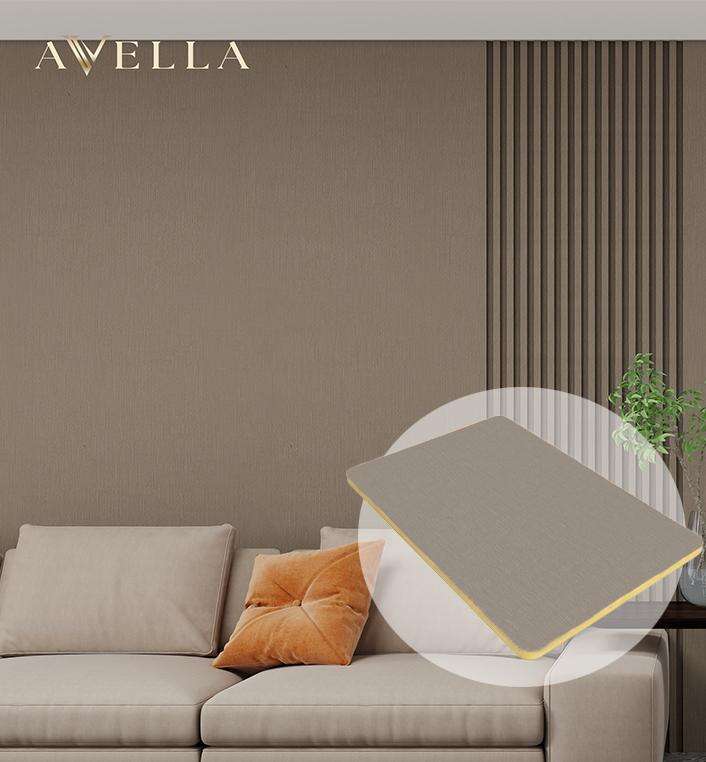
Modern construction projects demand materials that combine durability, aesthetic appeal, and installation efficiency. Among the innovative solutions gaining widespread contractor approval, SPC wall panel systems have emerged as a preferred choice for both residential and commercial applications. These advanced panels offer superior performance characteristics that address common construction challenges while delivering exceptional long-term value for property owners.
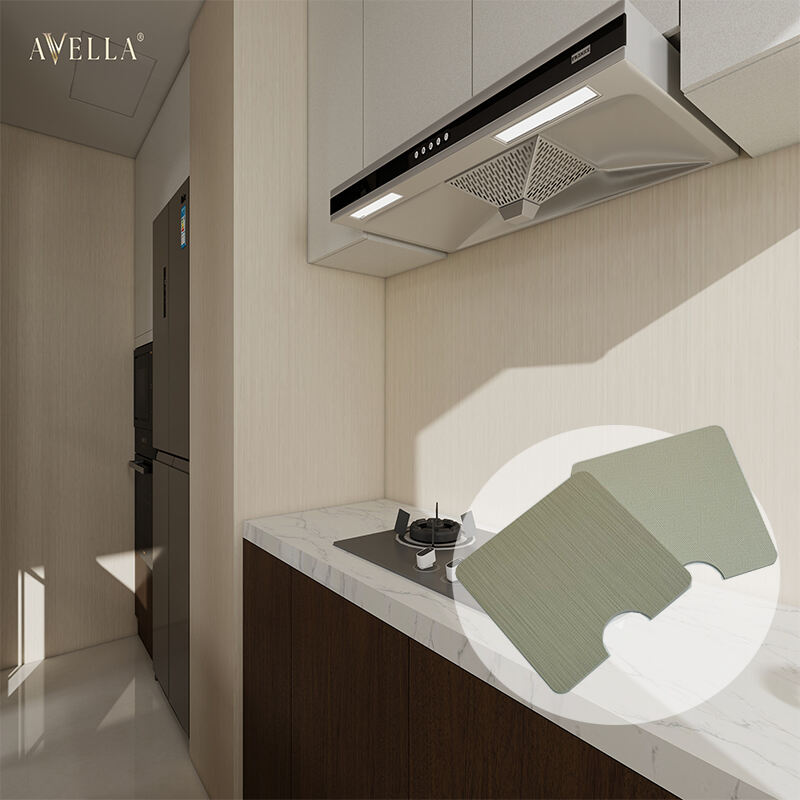
The construction industry has witnessed a significant shift toward composite materials that provide enhanced stability and moisture resistance. SPC technology represents a breakthrough in wall covering solutions, incorporating stone plastic composite materials that withstand environmental stresses better than traditional alternatives. Contractors appreciate these panels for their consistent quality and predictable installation outcomes across diverse project types.
Professional installers consistently report improved project timelines when working with these innovative wall systems. The engineered design eliminates many variables that can complicate traditional wall finishing processes, resulting in more accurate cost estimates and reliable completion schedules. This predictability has made SPC wall panel systems increasingly popular among contractors who prioritize client satisfaction and project profitability.
Superior Material Composition and Engineering
Advanced Stone Plastic Composite Technology
The foundation of SPC wall panel excellence lies in its sophisticated material composition. Stone plastic composite technology combines limestone powder, polyvinyl chloride, and stabilizing additives to create a remarkably stable substrate. This unique blend provides dimensional stability that surpasses traditional wood-based panels, eliminating concerns about warping, swelling, or shrinkage that commonly affect conventional wall materials.
Manufacturing processes for these panels involve high-temperature pressing and precision molding techniques that ensure consistent thickness and surface quality. The resulting product exhibits superior flatness and uniformity, characteristics that contractors value for achieving professional installation results. Quality control measures during production eliminate the material variations that can complicate installation and compromise finished appearance.
Enhanced Structural Integrity
Engineering specifications for SPC wall panels demonstrate exceptional strength-to-weight ratios that benefit both installation and long-term performance. The composite structure distributes loads effectively, reducing stress concentrations that might cause failure in traditional materials. This structural advantage allows contractors to confidently specify these panels for high-traffic commercial environments and residential applications requiring enhanced durability.
Laboratory testing confirms that SPC panels maintain their structural properties across wide temperature ranges and humidity conditions. This stability ensures that installations remain dimensionally accurate over time, preventing the gaps, buckling, or surface irregularities that can develop with inferior wall covering systems. Contractors benefit from reduced callback risks and warranty concerns when specifying these engineered solutions.
Installation Efficiency and Labor Advantages
Streamlined Installation Processes
Professional contractors consistently praise the installation characteristics of SPC wall panel systems. The precision manufacturing ensures that panels align properly without extensive adjustment or modification during installation. This consistency reduces labor hours per square foot compared to traditional wall finishing methods, allowing contractors to complete projects more efficiently while maintaining quality standards.
The lightweight nature of these panels facilitates easier handling and positioning during installation. Workers experience less fatigue when managing these materials throughout the workday, contributing to improved productivity and safety outcomes. Additionally, the reduced physical demands associated with spc wall panel installation help contractors maintain consistent work quality even during extended project schedules.
Simplified Tool Requirements
Installation of SPC wall panels requires standard carpentry tools, eliminating the need for specialized equipment or extensive training programs. Contractors can utilize existing tool inventories and workforce skills, reducing project preparation time and equipment costs. The panels cut cleanly with conventional saws and accept standard fasteners, simplifying inventory management for installation crews.
The forgiving nature of SPC materials allows for minor adjustments during installation without compromising panel integrity. Contractors can make precise cuts and modifications as needed to accommodate electrical outlets, plumbing penetrations, or architectural features. This flexibility reduces waste and minimizes the need for custom fabrication, contributing to improved project economics and schedule adherence.
Moisture Resistance and Environmental Performance
Superior Water Resistance Properties
One of the most compelling advantages of SPC wall panel systems is their exceptional moisture resistance. The composite material structure prevents water absorption that can cause swelling, warping, or deterioration in traditional wood-based panels. This characteristic makes these panels particularly suitable for bathroom applications, kitchen installations, and other high-moisture environments where conventional materials might fail.
Contractors appreciate the confidence that comes from installing materials with proven moisture resistance. The reduced risk of moisture-related failures minimizes callback visits and warranty claims, protecting contractor reputation and profitability. Property owners benefit from wall systems that maintain their appearance and structural integrity even in challenging environmental conditions.
Climate Adaptability
SPC wall panels demonstrate remarkable stability across varying climate conditions, making them suitable for diverse geographical installations. The material composition resists expansion and contraction cycles that can affect traditional wall coverings, ensuring consistent performance in both hot and cold climates. This adaptability allows contractors to specify the same proven solution across multiple project locations and climate zones.
Temperature fluctuations that commonly affect building interiors have minimal impact on SPC panel dimensions and appearance. This stability eliminates seasonal adjustment requirements and reduces maintenance needs over the panel lifespan. Contractors can confidently warranty their installations knowing that environmental factors will not compromise system performance or aesthetic quality.
Aesthetic Versatility and Design Options
Extensive Surface Finish Selections
Modern SPC wall panel systems offer an impressive range of surface finishes and textures that satisfy diverse design requirements. From realistic wood grain patterns to contemporary stone textures, these panels provide aesthetic options that complement virtually any architectural style or interior design concept. Contractors can offer clients extensive customization possibilities while maintaining the technical advantages of SPC construction.
Advanced printing and embossing technologies create surface textures that closely replicate natural materials while providing superior performance characteristics. The consistency of manufactured finishes eliminates the color and grain variations that can complicate natural material installations. This predictability helps contractors achieve uniform appearance across large wall areas and multiple project phases.
Color Stability and Fade Resistance
UV-stable pigments and protective surface treatments ensure that SPC wall panels maintain their original color and appearance throughout their service life. This fade resistance is particularly valuable in applications with significant natural light exposure, where traditional materials might show signs of discoloration over time. Contractors can specify these panels with confidence that long-term appearance will meet client expectations.
The color consistency of SPC panels simplifies replacement and repair procedures when necessary. Contractors can obtain matching panels years after initial installation, ensuring seamless repairs that maintain the overall aesthetic integrity of the wall system. This availability reduces long-term maintenance concerns and supports sustainable building practices through extended material lifecycles.
Cost Effectiveness and Project Economics
Competitive Material Pricing
SPC wall panel systems offer compelling value propositions that benefit both contractors and end users. The engineered manufacturing process produces consistent quality materials at competitive price points compared to premium natural alternatives. Contractors can specify high-performance wall systems without exceeding project budgets or compromising profit margins on material markups.
Volume purchasing opportunities and standardized panel dimensions help contractors optimize material costs across multiple projects. The reduced waste associated with precise manufacturing dimensions contributes to improved material utilization rates and lower overall project costs. These economic advantages allow contractors to remain competitive while delivering superior installation quality.
Reduced Long-Term Maintenance Costs
The durability characteristics of SPC wall panels translate into significant long-term cost savings for property owners. The resistance to moisture damage, dimensional stability, and surface durability minimize maintenance requirements over the panel lifespan. Contractors can emphasize these lifecycle cost advantages when presenting proposals to cost-conscious clients.
Maintenance procedures for SPC panels typically involve routine cleaning with standard household products, eliminating the need for specialized treatments or professional maintenance services. This simplicity appeals to both residential and commercial property managers who seek to minimize ongoing operational expenses. The reduced maintenance burden supports contractor relationships with clients who value long-term cost predictability.
FAQ
How long do SPC wall panels typically last in residential applications
SPC wall panels are engineered for extended service life, typically lasting 15-25 years in residential environments with proper installation and minimal maintenance. The composite material structure resists common failure modes that affect traditional wall coverings, including moisture damage, dimensional instability, and surface wear. Many manufacturers provide warranties that reflect confidence in long-term panel performance and durability.
Can SPC wall panels be installed over existing wall surfaces
Yes, SPC wall panels can often be installed over existing wall surfaces provided the substrate is structurally sound and properly prepared. This installation method can reduce project costs and timeline by eliminating demolition requirements. However, contractors should evaluate existing wall conditions and ensure proper surface preparation to achieve optimal installation results and long-term performance.
Are SPC wall panels suitable for commercial high-traffic environments
SPC wall panels are well-suited for commercial applications including high-traffic environments. The composite material construction provides excellent impact resistance and surface durability that withstands frequent contact and cleaning procedures. Many commercial installations demonstrate excellent long-term performance in retail, hospitality, and office environments where appearance and durability are critical requirements.
What installation tools are required for SPC wall panel projects
Standard carpentry tools are sufficient for most SPC wall panel installations, including circular saws, drills, levels, and measuring devices. The panels cut cleanly with conventional saw blades and accept standard fasteners without requiring specialized installation equipment. This tool compatibility allows contractors to utilize existing equipment inventories and workforce skills, reducing project preparation requirements and training needs.